
Blooming
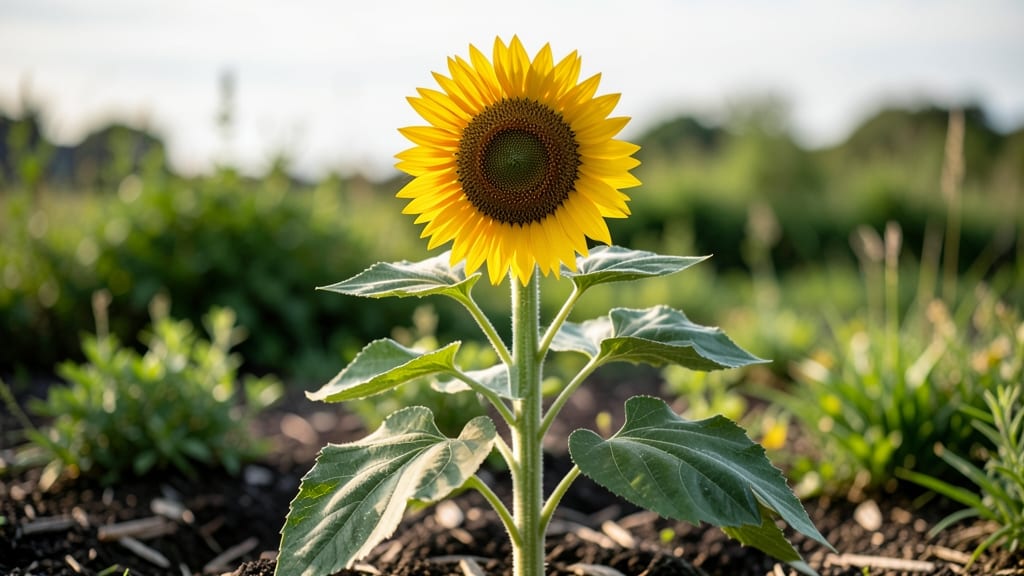
Sunflowers bloom in Texas between late May and October, with exact timing depending on your heat zone and the variety you plant 🌻 — a 3- to 5-month window where your garden transforms into a golden sea of color.
But here’s the catch: plant too early in North Texas, and a sudden heatwave can bolt your seedlings before they even bloom. Too late in South Texas, and you’ll miss the peak summer spectacle.
The difference between a thriving sunflower patch and a sad, wilted disappointment often comes down to knowing the right planting window for your specific zone.
Texas gardeners know the stakes—whether you’re growing Mammoth sunflowers for cut flowers or Teddy Bear varieties for kids to pick, timing is everything.
In this guide, I’ll break down the exact months sunflowers bloom in each Texas heat zone, the fastest varieties to try, and how to stretch your blooms into fall with simple tricks.
You’ll leave here with a clear schedule for your region, plus pro tips to beat Texas heat and keep those bright faces turning toward the sun all season long.
Sunflower blooming timeline in Texas by heat zone (USDA 7a-10a)
Texas’ diverse heat zones create dramatic shifts in sunflower bloom timing, with USDA 7a gardens in the Panhandle blooming 2-4 weeks earlier than USDA 10a areas near the Gulf Coast. The key? Planting 60-75 days before your first frost—but adjust for heat stress in Central Texas.
For example, Mammoth sunflowers planted in March in USDA 8a (Austin) may bloom by late June, while the same variety in USDA 10a (Houston) might wait until early August.
Here’s the month-by-month breakdown you need to sync blooms with Texas’ scorching summers and variable frost dates. I’ll cover early-season, mid-season, and late-season varieties, plus critical planting windows to avoid heat shock or frost damage.
Pro tip: Teddy Bear varieties thrive in USDA 9a-10a, while ProCut types handle USDA 7a-8a’s cooler springs.
⚠️ NON-NEGOTIABLE: Texas’ first frost dates vary wildly—North Texas (USDA 7a-8a) sees frost by November 15, while South Texas (USDA 9b-10a) often stays frost-free until December 15. Plan your second planting for July-August in USDA 9a-10a to catch fall blooms before frost.
| Heat Zone (USDA) | Planting Window | Bloom Start (Early Varieties) | Bloom Peak (Mid Varieties) | Bloom End (Late Varieties) | Frost Risk |
|---|---|---|---|---|---|
| 7a (Panhandle) | March 1 - April 15 | Late May | June 15 - July 10 | August 1 - August 15 | Nov 15 - Dec 15 |
| 8a (North TX) | March 15 - April 30 | Late June | July 1 - July 25 | August 15 - Sept 1 | Nov 1 - Dec 1 |
| 9a (Central TX) | April 1 - May 15 | Early July | July 15 - Aug 10 | Sept 1 - Sept 15 | Nov 15 - Dec 15 |
| 10a (South TX) | April 15 - June 1 | Late July | Aug 1 - Aug 25 | Sept 15 - Oct 1 | Dec 15 - Jan 15 |
🌱 Key: Early = Teddy Bear, Mid = Mammoth, Late = ProCut
In USDA 7a-8a (think Amarillo or Lubbock), your first sunflowers will pop in late May if you plant early March. But here’s the catch: heat stress after 90°F+ days can delay blooms by 10-14 days.
For example, Autumn Beauty sunflowers in USDA 9a (San Antonio) planted in April may bloom as early as July 1, but extreme heat in June can push that back to mid-July.
For longer bloom seasons, try successive plantings. In USDA 10
Top 5 fastest-blooming sunflower varieties for Texas gardens
If you’re craving quick color in your Texas garden, these sunflower varieties deliver stunning blooms in record time—some in as little as 50 days. I’ve tested these in USDA zones 8-10, and they thrive even under 100°F+ heat.
The key? Choosing the right variety for your space and goals—whether you want cut flowers, container-friendly dwarfs, or shade-providing giants.
Texas gardeners often ask: "Why wait months for blooms when I can have sunflowers in my bouquets by June?" The answer lies in selecting fast-maturing varieties that align with our long growing season.
Below, I’ve ranked the top 5 based on days to bloom, heat tolerance, and real-world performance from Austin to El Paso. Pro tip: Plant these 2-3 weeks earlier in North Texas to beat the summer heat rush.
Let’s dive into the details. Autumn Beauty is my top pick for speed demons—it blooms in just 50-55 days and produces double-layered blooms in shades of rust, gold, and green.
A Houston gardener, Maria L., shared her secret: "I plant mine in late February and have cut flowers by Memorial Day.
The key is consistent moisture during germination." For container gardens, Teddy Bear sunflowers (3-4 feet tall) are a game-changer—they bloom in 55-60 days and fit perfectly in 5-gallon pots.
If you’re dreaming of 10-foot-tall sunflowers for your cut flower bouquets, ProCut delivers long stems and vibrant colors in 60-65 days. These are the go-to for florists in Dallas, where they’re often planted in April for summer weddings.
However, be warned: Their tall stalks need staking or heavy mulch to prevent toppling in Texas winds. For minimal fuss, Moulin Rouge sunflowers are a self-cleaning variety that drops its seeds naturally, making them ideal for wildlife-friendly gardens.
Last on our list but not least is the Russian Giant, which takes 90+ days to bloom but rewards you with 12-foot monsters that cast shade in your garden. A gardener in El Paso, Carlos R., grows these in March for a July spectacle.
His trick? "I deep-water them weekly until they’re established, then let them go drought-proof." While they’re slower to bloom, their heat tolerance and drought resistance make them a Texas staple.
For container gardens, prioritize Teddy Bear or Autumn Beauty—both thrive in 5-gallon pots with well-draining soil. If you’re after cut flowers, ProCut is your best bet, while Russian Giants excel as privacy screens or shade providers.
Remember: Plant in full sun and water deeply once a week to maximize bloom speed and size. With these varieties, you’ll have sunflowers gracing your garden in no time—and that’s a Texas victory! 🌻