
Blooming
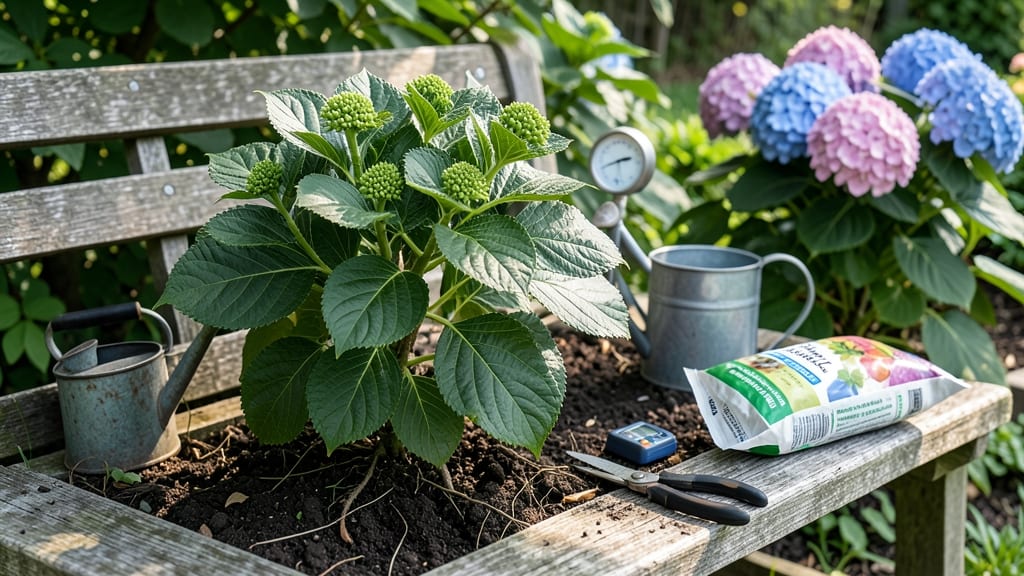
Why didn’t my hydrangea bloom this year? That question might be on your mind right now, and the answer likely starts with sunlight, ends with pruning mistakes, and involves everything in between. 🌿 I’ve seen this happen more than I’d like to admit, and the good news is, most of these issues have simple fixes for next season’s showstopping blooms.
The biggest culprits? Too much nitrogen (which fuels leaves, not flowers), pruning at the wrong time (like cutting back in late summer), or a late spring frost that nipped buds before they opened.
Even watering can be the sneaky villain—hydrangeas need consistent moisture, but soggy roots shut down blooming just as fast as dry soil.
By next spring, you’ll spot those familiar flower buds forming earlier and stronger. The secret is adjusting your fertilizer (go for a low-nitrogen, high-phosphorus blend), pruning in late winter or early spring, and protecting young buds from cold snaps with frost cloth if needed.
This works for both big backyard bushes and container-grown hydrangeas—just scale the care to your setup. Let’s turn next year’s blooms into the envy of the neighborhood.
The Real Culprits Behind No Blooms
Hydrangeas are finicky but stunning—when they do bloom. But if your bushes are throwing out lush green leaves instead of clusters of color, something’s thrown their delicate blooming cycle off track.
Let’s break down the most common (and surprising) reasons your hydrangeas skipped their grand performance this year—and how to spot them.
Hydrangeas—especially mophead and bigleaf varieties—need a period of winter dormancy to trigger bud formation. If your region had a mild winter (think 30–50°F for 4–8 weeks) or an unseasonable warm spell in late winter/early spring, buds may have already bloomed before you saw them—or worse, they never formed at all.
Why it happens:
- No chilling hours: Most hydrangeas require 150–300 hours below 45°F to set buds. If temps stayed above 50°F all winter, buds won’t develop.
- Early spring heatwave: Buds form in late summer/fall but need cold to "lock in." A sudden 70°F+ spell in February can trick plants into blooming too early, then a frost zaps them.
- Urban heat islands: Cities stay warmer at night. If your hydrangeas are near pavement or buildings, they may not get the cold snap they need.
💡 Pro Tip: If you’re in a warmer climate (Zones 8–10), choose reblooming varieties like ‘Endless Summer’ or ‘Nikko Blue,’ which don’t rely as heavily on winter chill.
Hydrangeas are sun-worshippers with boundaries. Too little light = leggy growth. Too much? Bud burn. Direct afternoon sun in hot climates can scorch buds before they open, while shade can weaken the plant’s energy reserves.
Why it happens:
- Scorched buds: Intense sun (especially in Zones 7+) causes buds to dry out and drop before blooming. Look for brown, crispy buds in spring.
- Weak growth from shade: Hydrangeas need 4–6 hours of morning sun to fuel blooms. Too little light = all foliage, no flowers.
- Sudden shade changes: A new tree or building blocking light can shock the plant mid-season, halting bloom production.
🌿 Fix It: Test your spot with a sunlight tracker (or a white sheet—if it’s hot after 2 hours, it’s too much sun). For hot climates, dappled shade in the afternoon is ideal.
Hydrangeas are thirsty divas—but they hate soggy feet or drought stress. Both extremes can stress the plant enough to skip blooming.
Why it happens:
- Underwatering: Buds form in late summer and need consistent moisture to develop. Dry spells can cause buds to abort.
- Overwatering: Poor drainage or compacted soil leads to root rot, which starves the plant of nutrients needed for blooms.
- Inconsistent watering: Hydrangeas detest dry-and-soak cycles. Uneven moisture stresses the plant, diverting energy away from flowers.
💧 Action Plan:
- Check soil moisture 1–2 inches deep—if it’s dry, water deeply (1–1.5 gallons per bush).
- Mulch with 3 inches of organic mulch (like shredded bark) to retain moisture and regulate temps.
- Avoid overhead watering—use drip irrigation or soaker hoses to keep foliage dry.
Hydrangeas need balanced nutrition, but too much (or the wrong kind) of fertilizer can backfire—leading to leafy growth at the expense of blooms.
Why it happens:
- Too much nitrogen: Fertilizers high in N (like lawn fertilizers) promote leafy green growth but suppress flowers.
- Lack of phosphorus: Blooms need phosphorus (P) for bud development. A deficiency (yellow/purple leaves) means no energy for flowers.
- Over-fertilizing in late summer: Feeding after July 1st can encourage soft, weak growth that won’t survive winter—or bloom.
📊 Feed Smart:
- Use a balanced fertilizer (10-10-10 or 12-12-12) in early spring and mid-summer (before bud set).
- For acid-loving varieties (like blue hydrangeas), add cottonseed meal or bone meal for phosphorus.
- Avoid high-nitrogen lawn fertilizers—they’re a bloom-killer.
If your hydrangeas are crowded or struggling with compacted, nutrient-poor soil, they’ll focus energy on survival—not stunning blooms.
Why it happens:
- Root-bound pots: If you’re growing in containers, circular roots mean the plant is stressed and starving for space/nutrients.
- Clay or compacted soil: Poor drainage or hardpan prevents roots from accessing water/nutrients.
- Wrong pH:
- Blue hydrangeas need acidic soil (pH 5.0–5.5).
- Pink/white hydrangeas prefer neutral to slightly alkaline (pH 6.0–7.0).
- Wrong pH = no blooms (even if leaves look healthy).
🌱 Soil Solutions:
- Test your soil’s pH and nutrients with a kit (or send a sample to a local extension office).
- For acid-loving varieties, amend soil with peat moss or sulfur.
- For containers, repot every
Revive Your Hydrangeas: Step-by-Step Fixes
Now that you’ve pinpointed why your hydrangeas skipped blooming this year, it’s time to roll up your sleeves and bring them back to life—plus set them up for a show-stopping performance next season! 🌸 Let’s tackle each issue with actionable, garden-friendly solutions.
If your hydrangea is still in its first or second year, patience is key. These beauties need time to establish strong roots before they focus on flowers.
How to Help It Along:
- 🔥 Give It Space: Ensure your plant has at least 3–4 feet of room to spread its roots. Crowded conditions slow growth.
- 🍳 Feed the Roots: Apply a balanced, slow-release fertilizer (like 10-10-10) in early spring. Avoid high-nitrogen fertilizers—they encourage leafy growth over blooms.
- 👨🍳 Water Deeply: Water at the base (not the leaves) 1–2 inches per week, especially during dry spells. A soaker hose works wonders.
💡 Prevention Tip: If you’re planting new hydrangeas, choose established 1-gallon pots over tiny starter plants—they’ll bloom sooner!
Hydrangeas need a period of dormancy (usually 30–60 days below 40°F) to trigger blooms. If your area had a mild winter or early warm spells, your plant might’ve woken up too soon.
How to Trick It Into Blooming:
- 🌡️ Simulate Winter Chill: If your region rarely drops below 40°F, try this hack:
- In late fall, wrap the plant in burlap or frost cloth (but leave the top open to prevent rot).
- Mist the plant lightly with water and let it freeze overnight—this mimics natural cold stress.
- ⏰ Adjust Pruning Timing: Prune after the first hard frost (or in early spring) to ensure old wood has time to set buds.
✨ Pro Tip: If you live in a warm climate (Zone 8+), plant panicle or smooth hydrangeas—they bloom on new wood and are more forgiving!
Hydrangeas are thirsty but hate soggy feet. Too much or too little water can stress the plant, diverting energy away from blooms.
How to Get the Balance Right:
- 🔥 Check the Soil: Stick your finger 2 inches into the soil. If it’s dry, water deeply. If it’s muddy, hold off until it drains.
- 🥘 Mulch Like a Pro: Spread 2–3 inches of organic mulch (like shredded bark) around the base to retain moisture and regulate temperature.
- 🚰 Improve Drainage: If your soil is clay-heavy, amend it with compost or plant in a raised bed.
🎯 Prevention Tip: Install a drip irrigation system on a timer to keep moisture consistent without overwatering.
Too much fertilizer—especially high-nitrogen types—promotes lush foliage at the expense of flowers. Hydrangeas need a balanced diet, not a leafy buffet!
How to Correct the Diet:
- 📊 Switch to Bloom Boosters: Use a phosphorus-rich fertilizer (like 5-10-5 or 7-9-5) in early spring and again after the first flush of leaves.
- 🥗 Avoid "Green" Fertilizers: Steer clear of lawn fertilizers or compost heavy in nitrogen (like fresh manure).
- 🍎 Feed in Stages: Apply fertilizer in three small doses (spring, early summer, and late summer) rather than one big hit.
💡 Prevention Tip: Test your soil every 2–3 years to avoid overcorrecting. Many garden centers offer DIY kits!
Pruning at the wrong time (or too aggressively) can remove next year’s flower buds. Hydrangeas bloom on old wood (like mopheads and bigleaf) or new wood (like panicle hydrangeas)—knowing the difference is crucial!
How to Prune for Blooms:
| Hydrangea Type | When to Prune | How to Prune |
|---|---|---|
| Bigleaf & Mophead (old wood) | Late winter/early spring (after blooms fade) | Cut back dead or weak stems to the first set of buds. Avoid pruning in fall—you might remove next year’s flowers! |
| Panicle (new wood) | Late winter or early spring | Prune 1/3 of the oldest stems to encourage new growth. These can also handle summer pruning for shaping. |
| Smooth (new wood) | Late winter/early spring | Cut back 1/3 of the oldest stems to rejuvenate. |
✨ Pro Tip: If you pruned at the wrong time this year, don’t panic! Focus on healthy growth next season—your hydrangea will bounce back.
Aphids, spider mites, or fungal issues (like powdery mildew) can sap your plant’s energy, leaving it too weak to bloom.
How to Kick Them Out:
- 🔪 Inspect Regularly: Check undersides of leaves for pests. Spray with neem oil (a natural insecticide) if you spot trouble.
- 🌡️ Improve Airflow: Thin out crowded branches to reduce humidity (which invites mildew).
- 💪 Strengthen Defenses: Apply a copper fungicide in early spring if your area is prone to fungal diseases.
💡 Prevention Tip: Preventative sprays in early spring (like horticultural oil) can stop pests before they start!
Compacted, nutrient-poor soil starves your hydrangeas, leading to weak growth and no blooms.
How to Feed the Roots:
- 🥗 Amend the Soil: Mix in compost or aged manure to improve texture and fertility.
- 📊 Test for pH: Hydrangeas love acidic soil (pH 5.5–6.2) for blue blooms or neutral/alkaline (pH 6.5–7.5) for pink. Use lime to raise pH or sulfur to lower it.
- 🍎 Top-Dress with Organic Matter: Spread a 1-inch layer of pine needles (for acid-lovers) or wood ash (for alkaline-lovers) around the base in early spring.
✨ Pro Tip: Epsom salt (magnesium sulfate) can help if your plant looks yellow between veins—sprinkle 1 tbsp per gallon of water monthly during growing season.
Most hydrangeas need partial shade (morning sun + afternoon shade), but too much shade or harsh afternoon sun can stunt blooms.
How to Optimize Light:
- 🔥 Move It Gradually: If your plant is in too much shade, transplant it to a spot with 4–6 hours of dappled sunlight.
- 🌿 Protect from Scorching: If it’s getting hot afternoon sun, provide afternoon shade with a lightweight shade cloth or nearby trees.
- 🌱 Choose the Right Spot: South-facing windows or east-facing garden beds are ideal for most hydrangeas.
💡 Prevention Tip: Dwarf varieties (like ‘Little Lime’ or ‘Endless Summer’) tolerate more shade than standard-sized plants.
If you recently moved your hydrangea, it may still be recovering—especially if roots were disturbed.
How to Help It Recover:
- 💧 Water Deeply Daily: Keep the soil moist (not soggy) for the first 4–6 weeks post-transplant.
- 🌱 Avoid Fertilizer: Wait 6–8 weeks before feeding—new roots need time to establish.
- 🌿 Prune Lightly: Trim any broken or wilted stems to encourage new growth.
✨ Pro Tip: Root stimulator
Frequently asked questions about hydrangea blooms
Why do some hydrangeas bloom better than others in my garden?
Variety matters! Bigleaf and mophead types need cold winter chill (150–300 hours below 45°F) to set buds, while panicle varieties bloom on new growth and adapt better to mild winters. Check your plant tags—some like 'Endless Summer' rebloom reliably even in warm climates.
Can I force my hydrangea to bloom if it didn’t last year?
Not directly, but you can optimize conditions for next year: Use a phosphorus-rich fertilizer (5-10-5) in early spring, prune old wood types in late winter, and protect buds from late frosts with frost cloth. Patience is key—healthy plants often bloom within 2–3 seasons with proper care!
What’s the fastest way to fix over-fertilized hydrangeas?
Flush the soil with water to leach excess nutrients, then switch to a low-nitrogen, high-phosphorus fertilizer (like bone meal). Water deeply 2–3 times weekly for 2 weeks to help roots recover. Avoid fertilizing until new growth appears in spring.
Are my hydrangeas too young to bloom?
Most hydrangeas take 2–3 years to establish roots and bloom. If yours is younger, focus on well-draining soil, consistent watering (1–2 inches weekly), and a balanced fertilizer. Container-grown plants may bloom sooner—check root growth before expecting flowers!
Why did my hydrangea buds turn brown before opening?
This is often caused by bud burn from late spring frosts or intense afternoon sun. Protect buds with frost cloth in spring, or move plants to morning sun with afternoon shade. Mulch heavily in winter to insulate roots and prevent temperature swings.