
Blooming
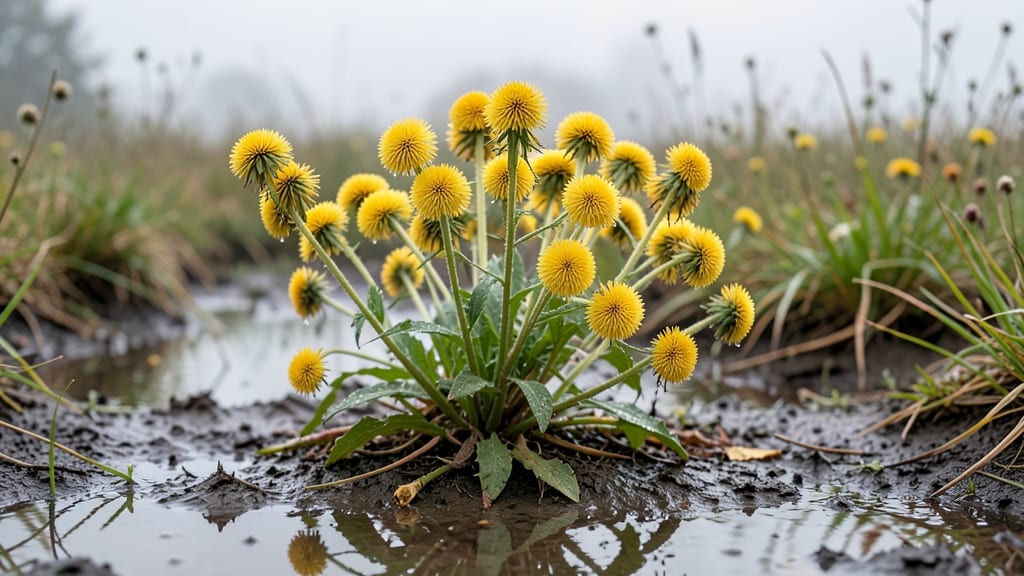
Fall gardens don’t have to fade into brown—these 10 hardy wildflowers defy the chill, bursting into vibrant blooms when most plants retreat. Perfect for pollinators, late-season color, and low-maintenance beauty, they thrive in cool weather and add unexpected charm to your landscape.
Goldenrod: Late-Season Pollinator Magnet
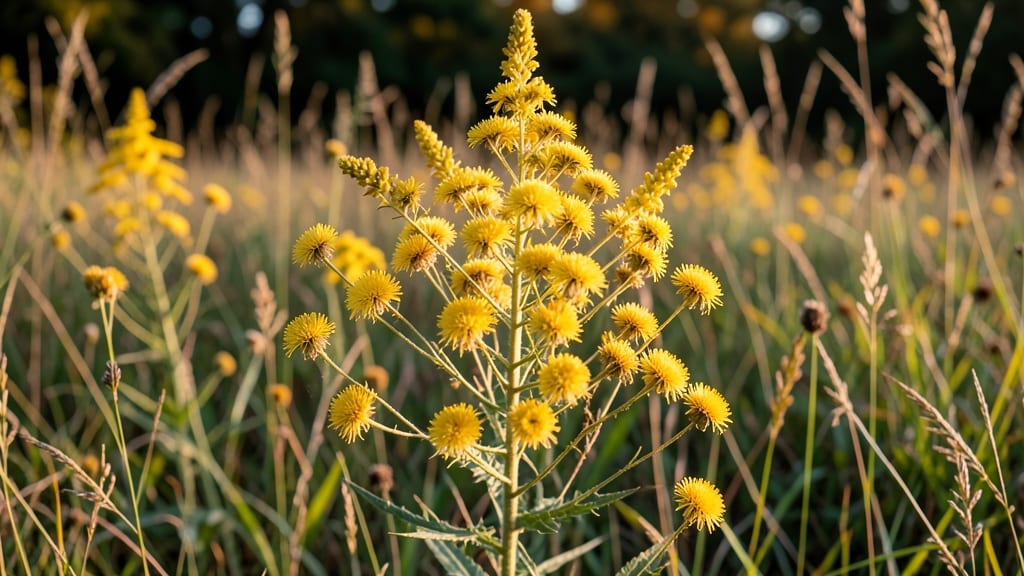
When summer wildflowers start fading, goldenrod steps in like a cheerful lifeguard, offering bright yellow plumes from August straight through October. This native perennial is a pollinator powerhouse, drawing bees, butterflies, and even hummingbirds with its dense clusters of tiny flowers that resemble fuzzy paintbrushes.
Unlike its unloved cousin ragweed (which blooms at the same time), goldenrod thrives in full sun to partial shade and tolerates poor, dry soils—making it perfect for meadows, borders, or even rocky slopes. Simply cut back stems in early spring to encourage fresh growth, and you’ll enjoy year-round color with almost no effort.
Ideal for beginners or busy gardeners, goldenrod’s late-season blooms provide a vital food source when other flowers have disappeared. Plant it in masses for a golden sea effect or mix it with grasses for texture. 🌻
Asters: Purple and Pink Autumn Stars
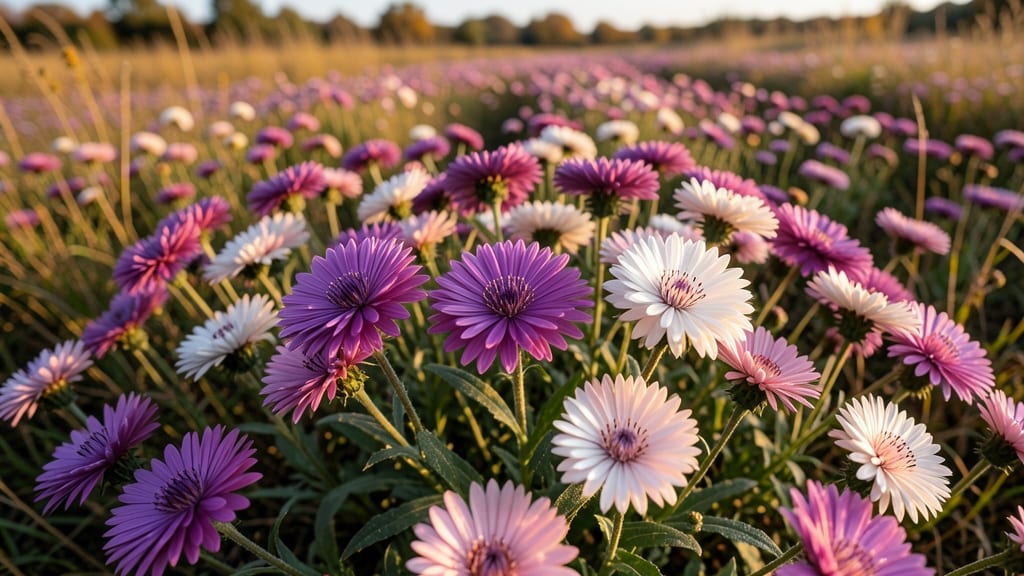
When your garden starts to lose its summer sparkle, asters step in as nature’s autumn superstars. These daisy-like blooms—available in purple, pink, and white shades—burst into color just as temperatures dip, creating a late-season spectacle that rivals summer wildflowers.
Easy to grow in USDA Zones 3-8, asters thrive in partial shade to full sun and tolerate a range of soils, making them ideal for cottage gardens, woodland edges, or even containers. Their nearly year-round blooming period (August to frost) provides a critical food source for migrating monarch butterflies, while their long stems make them perfect for cutting arrangements that last weeks in vases.
Perfect for gardeners who want low-maintenance beauty with high ecological impact, asters bring both pollinator power and effortless charm to fall landscapes. 🌷
Black-Eyed Susan: Rustic Orange Beauty
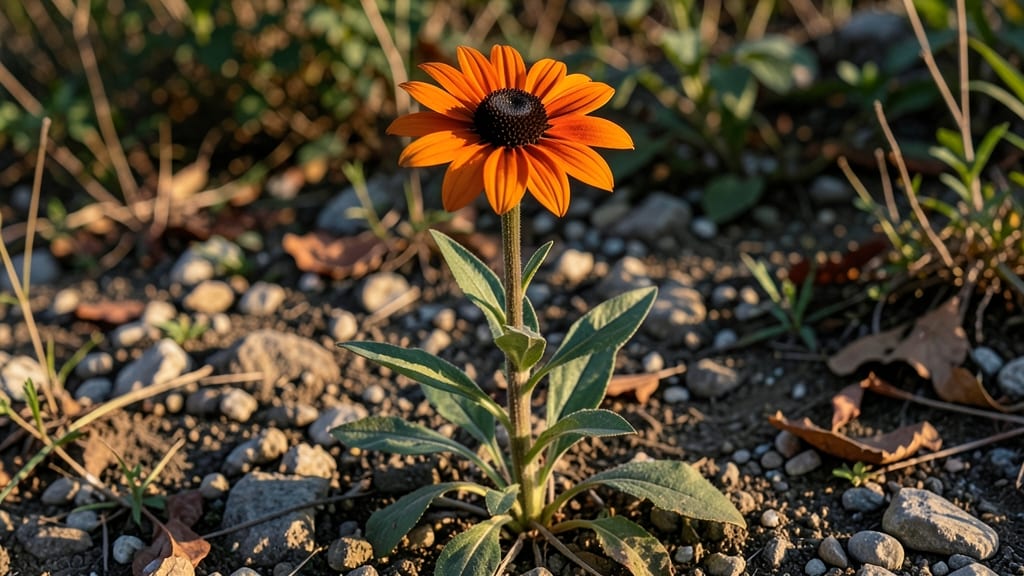
If you’re craving a fall wildflower that demands almost no effort but delivers maximum impact, meet Black-Eyed Susan. This native perennial thrives in poor, rocky soil and blooms from mid-summer straight through frost, turning your garden into a pollinator paradise with its bright orange daisy-like flowers.
Plant it in full sun to part shade, and watch it spread effortlessly—it’s a favorite for wildflower meadows and pollinator gardens because it supports bees, butterflies, and birds. Deadheading spent blooms encourages more flowers, but even if you skip this step, the plant will keep blooming until the first hard frost. Its drought-tolerant nature makes it perfect for low-water landscapes.
Perfect for beginners or busy gardeners, Black-Eyed Susan brings year-round interest with its seed heads that persist through winter, adding texture to snowy landscapes. 🌻
Joe-Pye Weed: Towering Pink Pollinator Giant
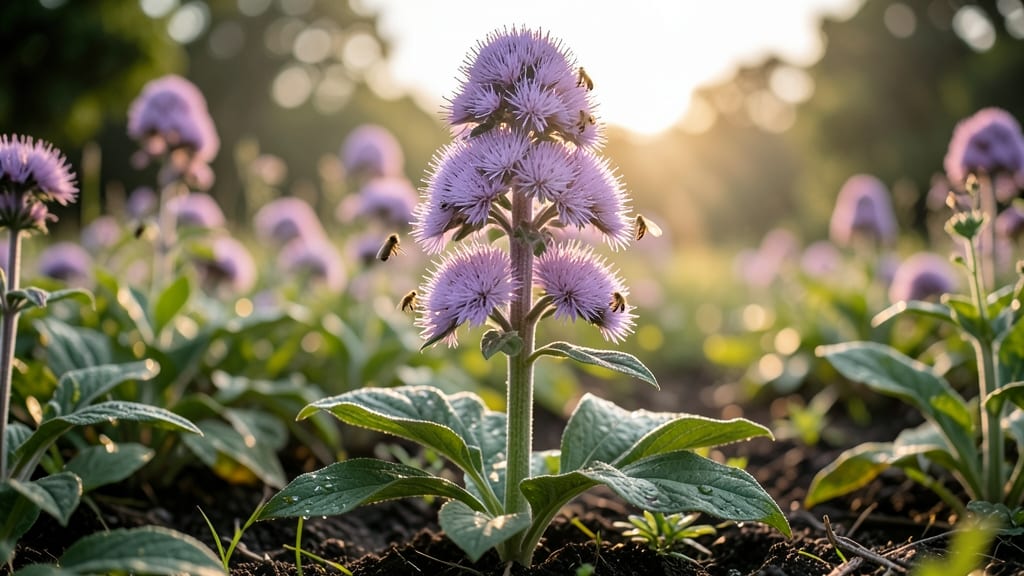
If you're craving a dramatic late-summer statement that keeps pollinators buzzing until frost, Joe-Pye weed is your plant. This native giant soars 5–7 feet tall, creating a lush, lavender-pink backdrop that outshines most perennials—while requiring almost no effort from you.
Thriving in moist to wet soil, it’s perfect for rain gardens, pond edges, or even as a privacy screen in shady spots. Its August–October blooms attract monarchs, bees, and butterflies, making it a pollinator powerhouse. Just give it full sun to part shade and watch it grow—it spreads happily but won’t take over like bamboo.
Ideal for gardeners who love bold, low-maintenance plants with ecological benefits, Joe-Pye weed turns fall into a wildflower spectacle. 🌻
Sedum: Succulent Fall Color Explosion
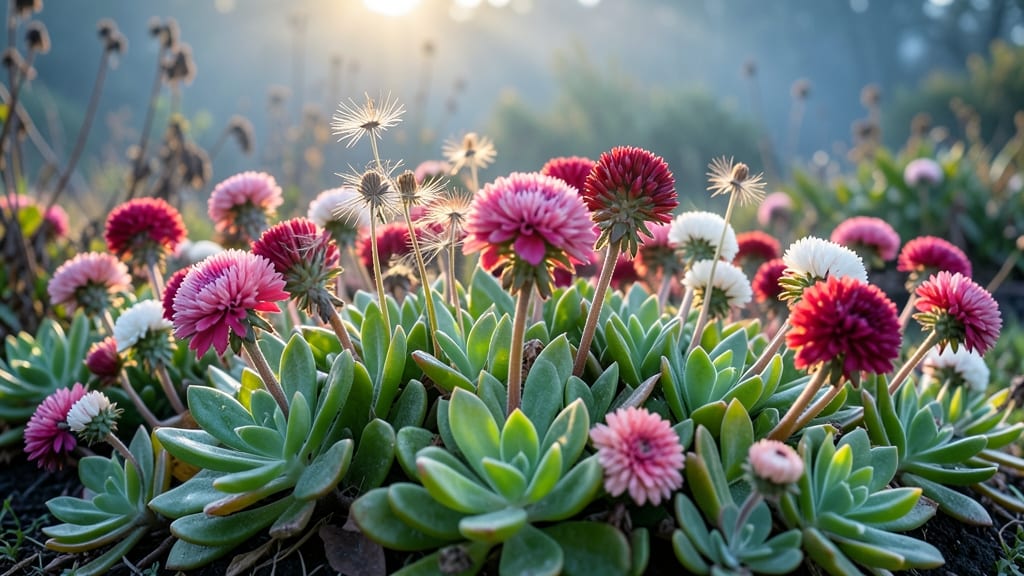
When your garden feels like it’s calling it quits by late September, sedum steps in with a dramatic fall color show—think clusters of pink, red, and white that outshine summer blooms. Unlike high-maintenance wildflowers, this succulent relative thrives on neglect, making it the perfect choice for gardeners who want beauty without the fuss.
Sedum’s drought-tolerant nature means it survives on rainfall alone, while its deer-resistant foliage keeps critters from munching your landscape. Plant it in rock gardens, containers, or dry slopes where other wildflowers might struggle. Varieties like ‘Autumn Joy’ or ‘Matrona’ produce bold, long-lasting blooms that attract butterflies and add texture to late-season arrangements.
Ideal for urban gardeners, rockery lovers, and anyone with limited water access, sedum proves that fall color doesn’t require constant care—just a sunny spot and good drainage. 🌻
Queen Anne’s Lace: Lacy White Wildflower
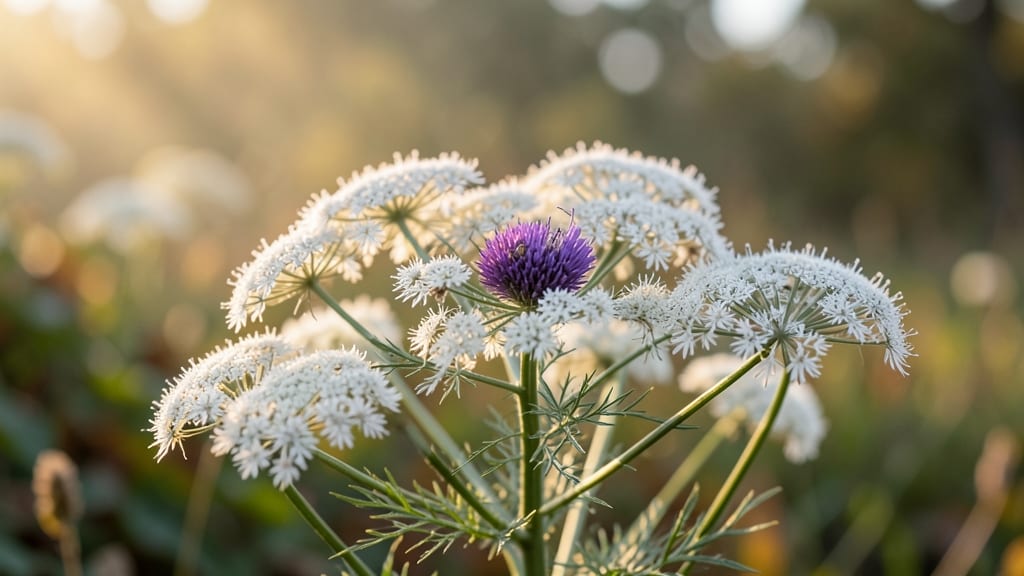
Looking for a wildflower that adds ethereal texture to your fall garden without stealing the spotlight? Queen Anne’s lace delivers soft, lace-like white blooms that dance in the breeze—often with a single purple floret at the center for a subtle pop of color.
This drought-tolerant wildflower thrives in full sun to partial shade and attracts beneficial insects like ladybugs and hoverflies, making it a quiet pollinator hero. Its airy clusters (2–3 feet tall) pair beautifully with bold fall blooms like asters or goldenrod, creating a romantic, cottage-garden feel with almost no effort.
Perfect for small spaces or wildflower mixes, Queen Anne’s lace is also deer-resistant and self-seeds easily—ideal for gardeners who want low-maintenance elegance without the fuss. 🌷
Blanket Flower: Bold Red-orange Blooms
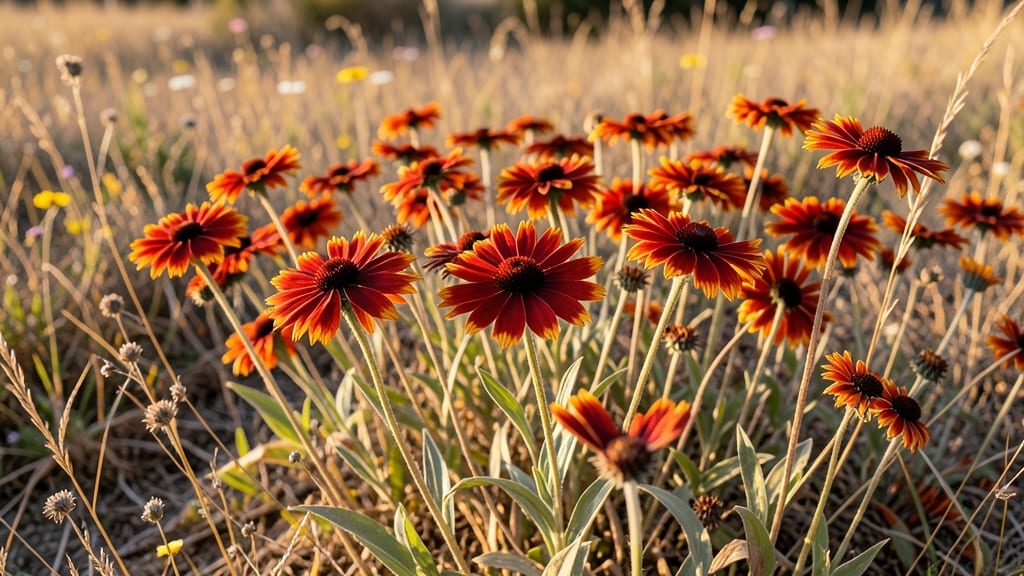
If you’re craving bold color that lasts well into fall, blanket flower (Gaillardia) delivers fiery red-orange blooms that refuse to quit—even as temperatures drop. Unlike many wildflowers that fade with summer, this native perennial thrives in dry, sunny spots, making it a standout for xeric gardens or prairie-style plantings.
Plant it in full sun with well-draining soil, and you’ll enjoy continuous blooms from early summer through frost. Its drought-resistant nature means minimal watering once established, while its butterfly-friendly flowers add movement to your garden. Deadhead spent blooms to encourage more flowers, and watch it spread naturally over time.
Perfect for low-maintenance gardeners, blanket flower brings year-round structure with its basal rosette of lance-shaped leaves. Pair it with native grasses or other late-season bloomers for a prairie-inspired look that keeps color going until winter. 🌻
Russian Sage: Fragrant Lavender-Purple Spikes
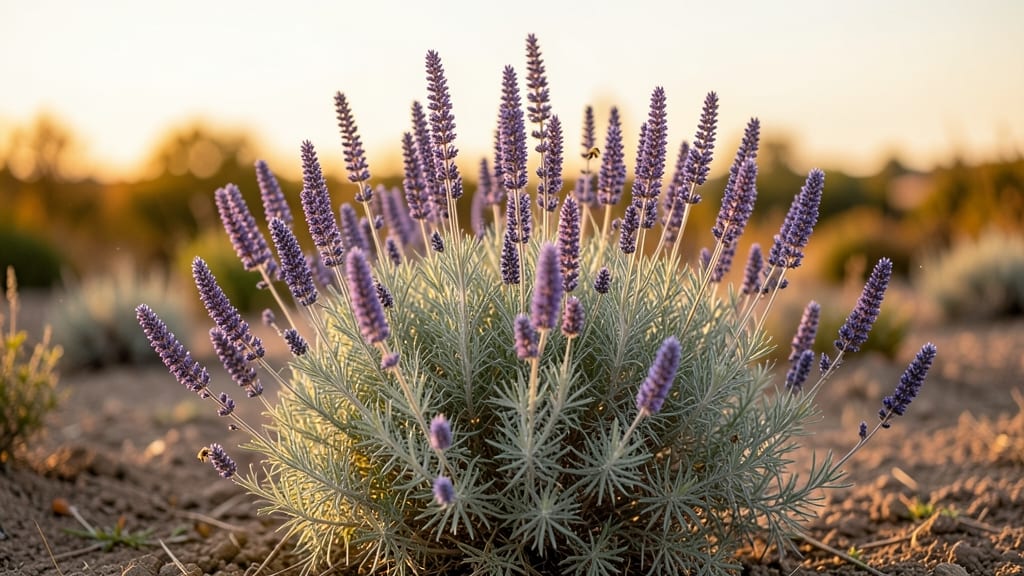
If you crave a fragrant, bee-friendly wildflower that thrives where others struggle, Russian sage delivers—with aromatic purple spikes that bloom from midsummer through fall. Unlike moisture-loving wildflowers, this drought-tolerant perennial thrives in full sun and well-drained soil, making it ideal for xeric gardens or pollinator-friendly borders.
The silvery foliage provides visual contrast year-round, while its lavender-purple blooms attract bees and butterflies without the high-maintenance needs of other late-season flowers. Prune back stems in early spring to encourage bushier growth, and watch it rebound with vigor. This hardy plant handles heat and drought once established, making it a low-stress addition to any garden.
Perfect for gardeners who want long-lasting color with minimal effort, Russian sage is especially great for urban yards, rain gardens, or as a backdrop for shorter wildflowers. Its fragrant blooms also make it a sensory delight for gardeners who enjoy a whiff of lavender without the fuss. 🌻
Cup Plant: Unique Cup-Shaped Blooms
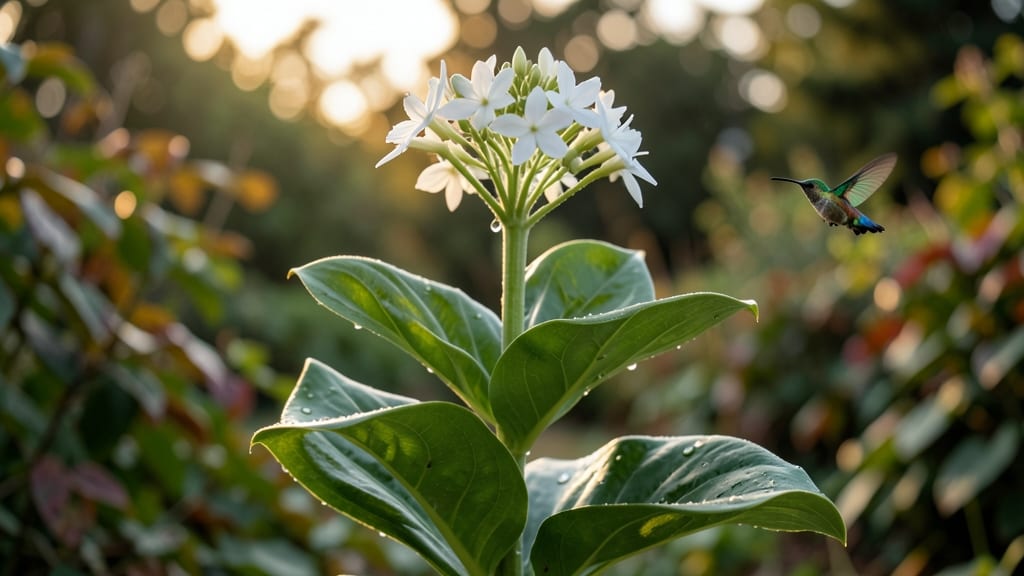
If you love watching hummingbirds dart through your garden, cup plant is your secret weapon. This native wildflower features striking cup-shaped leaves that collect rainwater, creating tiny oases for thirsty pollinators while its delicate white blooms feed hummingbirds from late summer through fall.
Thriving in moist, well-drained soil along ponds, streams, or rain gardens, cup plant reaches 3-6 feet tall and spreads gently via rhizomes. Plant it near water features or in part-shade to full sun for maximum impact—its dramatic foliage and blooms add vertical interest to shady garden corners.
Perfect for wildlife gardeners and those with damp garden spots, cup plant’s unique habitat needs make it a standout for creating hummingbird-friendly ecosystems. 🌿
Goldenrod’s Cousin: Sneezeweed’s Yellow Pom-Poms

If you love goldenrod but want something equally cheerful yet better suited for soggy spots, sneezeweed (Helenium autumnale) is your secret weapon. Its fuzzy, yellow pom-pom blooms resemble goldenrod’s but thrive where goldenrod would drown—wet meadows, rain gardens, or even pond edges.
This native wildflower blooms from late summer through frost, providing a butterfly buffet when other flowers fade. Plant it in full sun to part shade where water pools, and watch it spread effortlessly—no fuss, no drama. Its tolerant roots handle seasonal flooding like a champ, making it perfect for eco-friendly landscapes.
Ideal for gardeners with moist soil challenges, sneezeweed adds texture and movement to wetland gardens while supporting pollinators. 🌻