
Blooming
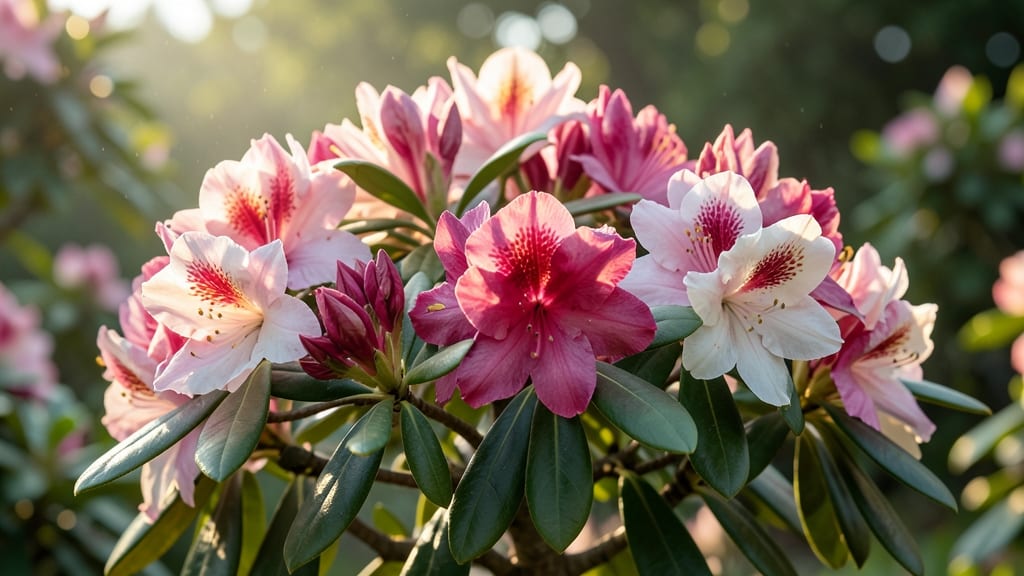
Year-round blooms transform gardens into vibrant showcases. These 10 proven azalea varieties defy seasonal norms, offering stunning double-flowering displays that extend your garden's beauty from spring through fall—without the fuss of constant replanting.
Knock Out Compact Pink Azalea
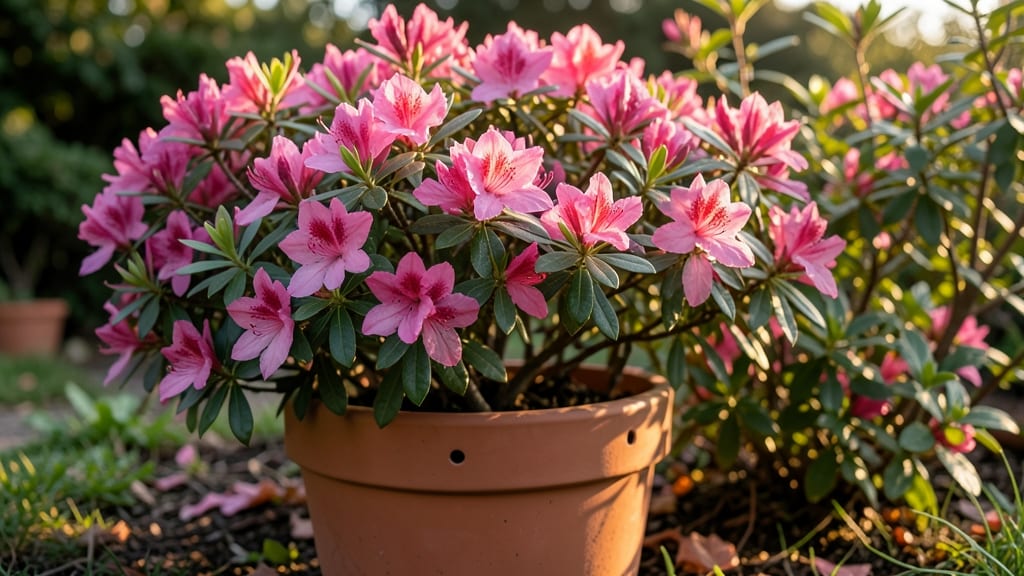
If you love pink blooms but hate the fuss of high-maintenance azaleas, the Knock Out Compact Pink Azalea is your perfect match. This disease-resistant variety thrives in containers or borders, delivering vibrant pink flowers in spring and late summer with almost no effort—ideal for urban balconies or small yards.
Unlike traditional azaleas, this low-maintenance shrub tolerates a wide range of soils and light conditions, from full sun to partial shade. Water it deeply once a week (less in winter) and fertilize lightly in early spring to encourage those reblooming displays. Its compact size (3-4 feet tall) makes it perfect for tight spaces, and its evergreen foliage adds year-round interest.
Urban gardeners and beginners will love how this azalea resists pests and diseases, reducing the need for sprays or treatments. Just plant it in well-draining soil, prune lightly after blooming, and enjoy season-long color without the hassle. 🌻
Girard’s Bigleaf Azalea
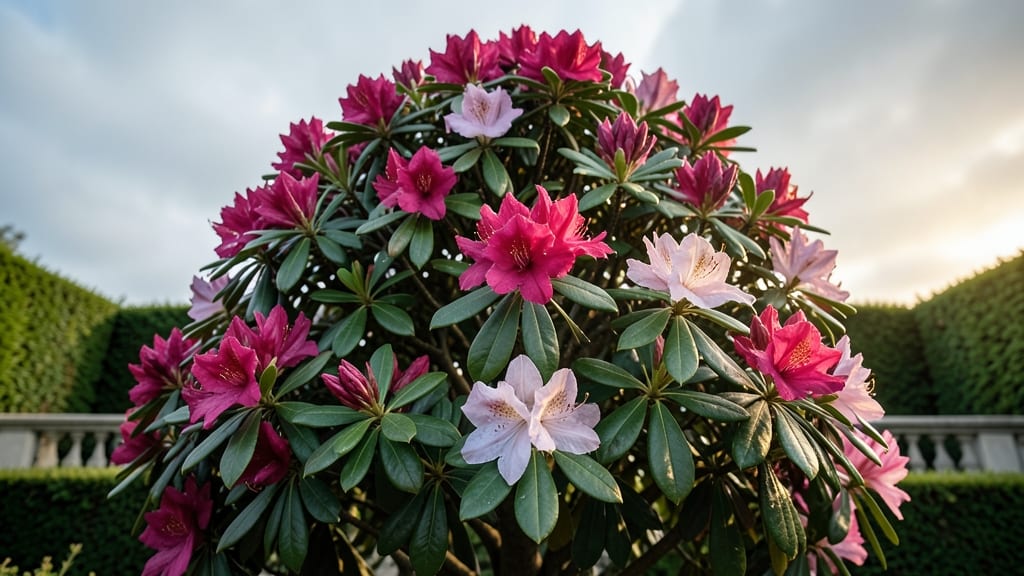
Looking for an azalea that turns heads in formal gardens or stands out as a garden centerpiece? Girard’s Bigleaf Azalea delivers large, fragrant blooms in spring, followed by a stunning second flush in late summer—making it a true showstopper. Unlike many azaleas, this variety thrives in cooler climates, extending its blooming season where others might struggle.
This classic rebloomer prefers partial shade to full sun and well-draining, acidic soil (pH 4.5–6.0). Its glossy, dark green leaves add year-round interest, while the deep pink flowers attract pollinators. Prune lightly after blooming to shape the shrub and encourage denser growth—avoid heavy pruning, as it can reduce next year’s flowers. 🌷
Gardeners in USDA Zones 4–8 will appreciate its hardiness, while formal garden designers love its structured growth habit. Perfect for hedges, foundation plantings, or as a standalone specimen, this azalea delivers low-maintenance elegance with high-impact results. 🌻
Bow Bells Azalea
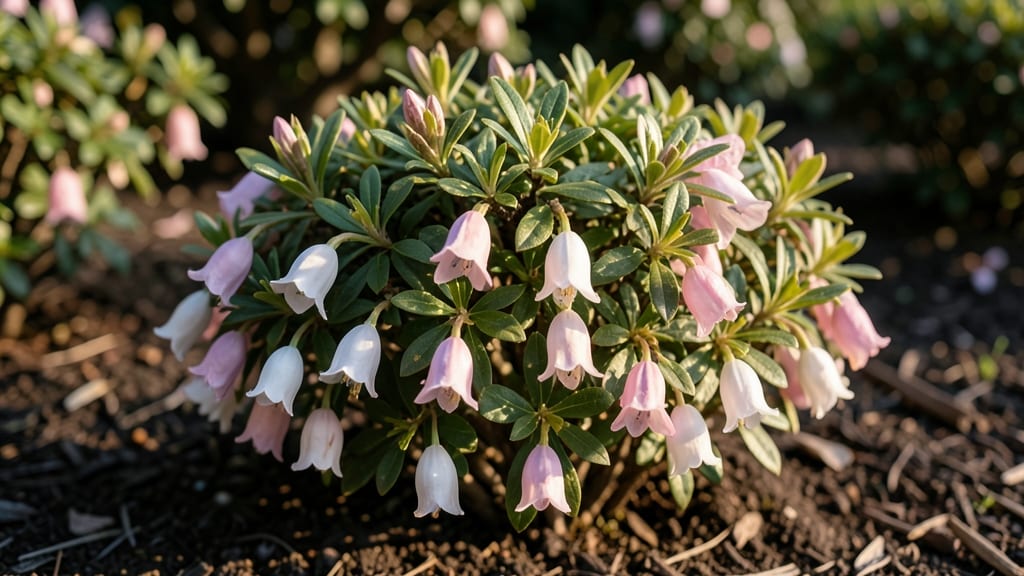
Looking for an azalea that delivers two blooming seasons without taking over your garden space? The Bow Bells Azalea is your answer—its bell-shaped flowers create a whimsical charm while keeping a tidy, compact form perfect for small gardens.
This versatile variety thrives in partial shade to full sun, making it adaptable to rock gardens, containers, or as a low-maintenance border. Its spring blooms are followed by a smaller but charming fall rebloom, ensuring year-round interest. Prune lightly after spring blooming to encourage bushiness, and feed with acidic fertilizer in early spring for best results.
Urban gardeners and rockery enthusiasts will love its neat, rounded shape and ability to thrive in well-draining soil. Even in containers, it stays manageable while adding delicate color to patios or balconies. 🌷
Hino Crimson Azalea
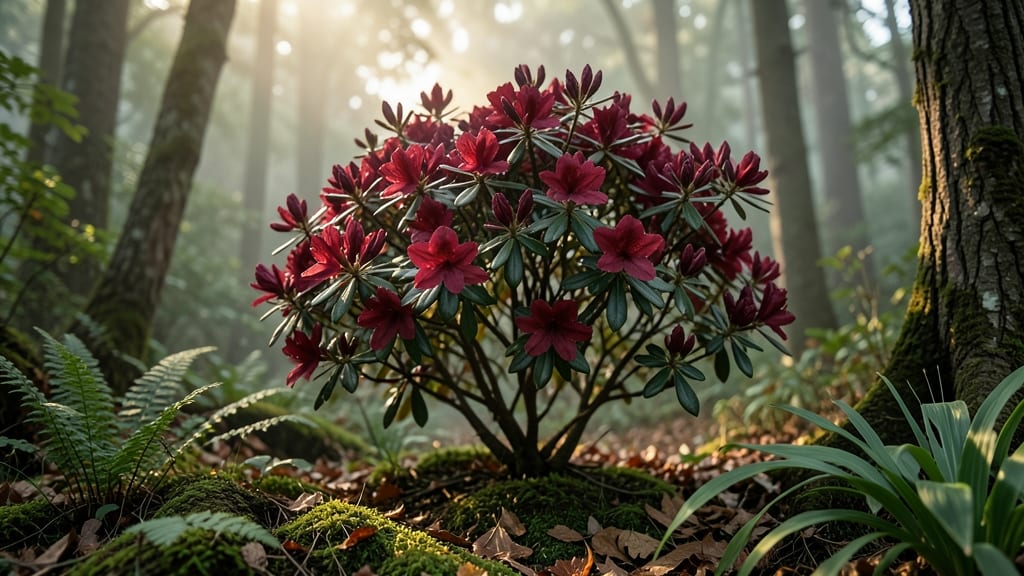
Transform your shady garden spots into a dramatic focal point with the Hino Crimson Azalea, a Japanese beauty that delivers deep red blooms in spring and a stunning late-summer rebloom. Unlike sun-loving varieties, this azalea thrives in partial shade, making it perfect for woodland gardens or understory plantings where other shrubs struggle.
To keep your Hino Crimson Azalea performing at its best, plant it in well-draining, acidic soil (pH 5.0-6.0) and water consistently during its first year. Prune lightly after the second bloom to maintain shape and encourage future flowering. Its dark green foliage provides year-round interest, while the vibrant crimson flowers attract hummingbirds and butterflies.
This variety is ideal for gardeners who want bold color without full sun—perfect for adding height and drama to shaded borders or as a specimen plant in containers. 🌷
Southern Indica Azalea
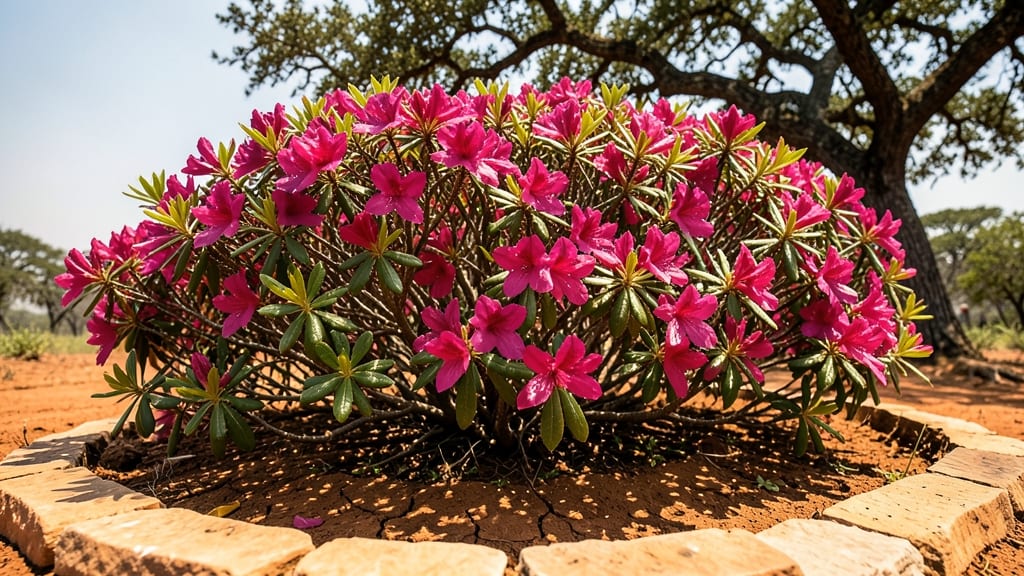
If you live in the Southern U.S. and traditional azaleas wilt under summer heat, the Southern Indica Azalea is your game-changer. This variety thrives in full sun and drought conditions, delivering two stunning bloom cycles—spring and fall—when most azaleas fade away during peak summer.
Unlike shade-loving azaleas, this one handles 90°F+ temperatures with ease, thanks to its native roots in the Southeast. Plant it in well-draining, acidic soil (pH 4.5-6.0) and water deeply but infrequently—it’s built for resilience. The pink and white flowers attract pollinators while adding year-round color to borders, foundation plantings, or even large containers.
Perfect for low-maintenance gardeners or those with rocky, dry soils, this azalea proves you don’t need constant watering or shade to enjoy vibrant blooms. 🌻
George L. Taber Azalea
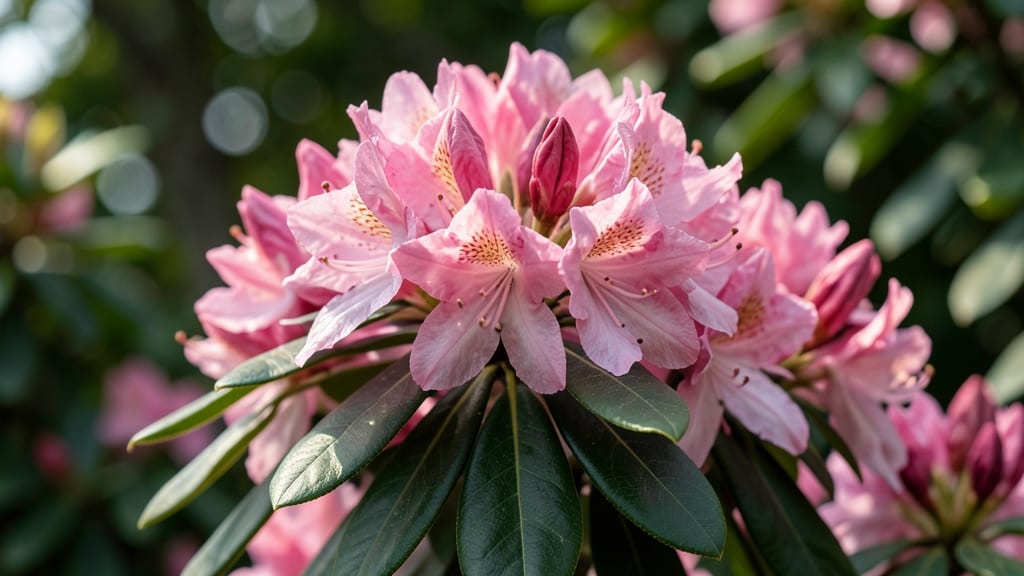
Want to bring the beauty of azaleas indoors or create a pollinator haven without the fuss? The George L. Taber Azalea is your answer—a fragrant, disease-resistant rebloomer that produces stunning pink flowers in both spring and late summer. This variety stands out for its ability to thrive in cutting gardens, where its long stems make it perfect for fresh bouquets that last.
Unlike many azaleas, this hardy shrub handles partial shade to full sun and tolerates a range of soils, as long as they’re well-draining and acidic (pH 4.5–6.0). Its reblooming nature ensures consistent color, while its resistance to pests and diseases means less work for you. To encourage strong blooms, prune lightly after each flowering cycle and fertilize with acidic plant food in early spring.
Perfect for gardeners who love low-maintenance plants with high impact, this azalea also attracts bees and butterflies, making it a must-have for pollinator-friendly landscapes. Whether you’re a cutting garden enthusiast or simply want year-round color, this variety delivers effortless beauty. 🌱
Tiny Wine Azalea
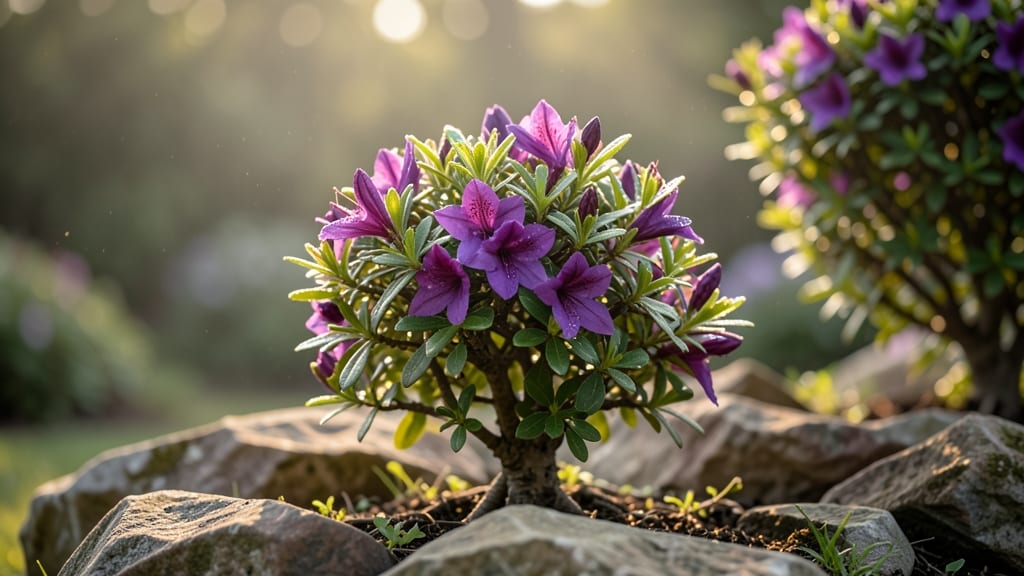
Want to add fairy-tale charm to your garden without sacrificing space? The Tiny Wine Azalea is your secret weapon—a dwarf shrub with deep purple blooms that burst forth in spring, followed by a smaller but equally enchanting flush in fall. Its compact size (2-3 feet tall) makes it perfect for rock gardens, fairy gardens, or as a vibrant edging plant where larger shrubs can't fit.
This low-maintenance variety thrives in partial shade to full sun and well-draining, acidic soil (pH 4.5-6.0). Water it deeply once a week during its first year, then reduce to once every 10 days once established. Prune lightly after spring blooming to encourage bushiness, and fertilize with an acid-loving plant food in early spring to fuel those stunning reblooms.
Fairy garden enthusiasts and urban gardeners with limited space will love how this azalea delivers big impact in small packages. Its dark green foliage and rich purple flowers create a striking contrast, making it ideal for containers, window boxes, or as a colorful border along pathways. 💚
Formosa Azalea
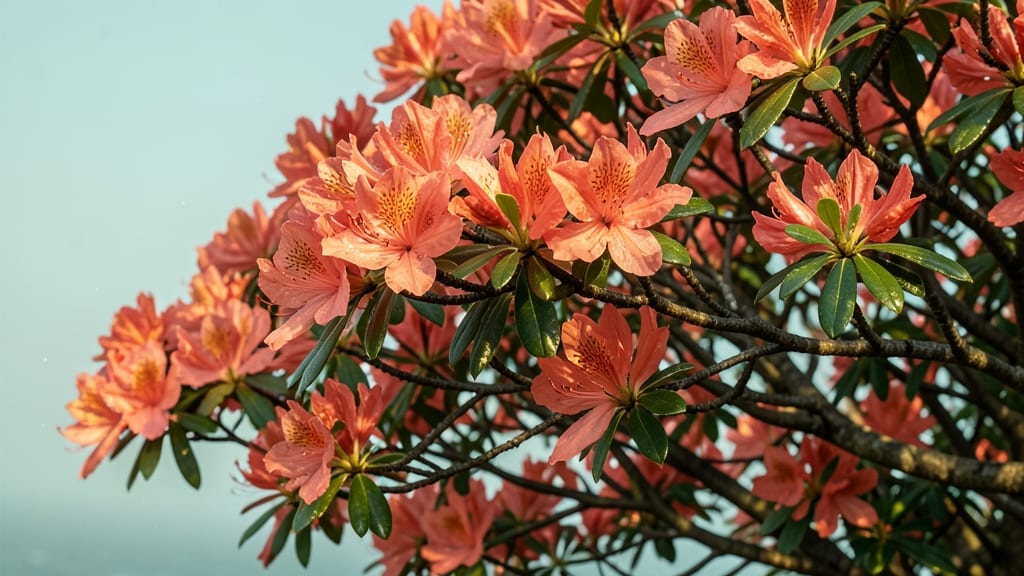
Bring a slice of the tropics to your garden with the Formosa Azalea, a reblooming powerhouse that delivers large, showy flowers in both spring and late summer. Unlike traditional azaleas, this variety thrives in humid coastal climates, making it perfect for gardeners near the ocean who crave year-round color without the fuss of high-maintenance plants.
Plant your Formosa Azalea in well-draining, acidic soil (pH 5.0-6.0) and give it morning sun with afternoon shade to protect its glossy leaves from scorching. Water deeply once a week during its first year, then reduce to moderate moisture—it’s built to handle humidity but dislikes soggy roots. For container gardening, choose a large pot (15+ gallons) with drainage holes and use a peat-based potting mix to mimic its natural tropical habitat.
Coastal gardeners and container enthusiasts will love how this azalea stands out as a statement plant, whether lining a driveway, anchoring a patio, or adding drama to a mixed border. Its vibrant orange-red blooms and lush foliage create a tropical escape that’s easy to maintain. 🌻
Coral Bells Azalea
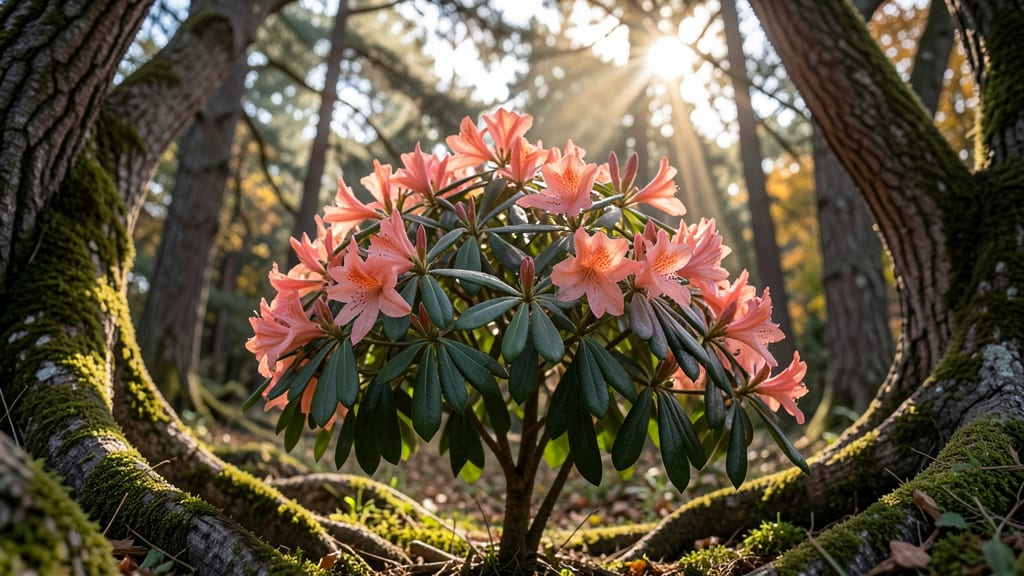
Want to bring a soft, romantic glow to your woodland garden without sacrificing structure? The Coral Bells Azalea is your secret weapon—its coral-pink blooms appear twice a year (spring and fall) while its deep green foliage with purple undertones adds year-round texture. Unlike sun-hungry varieties, this azalea thrives in partial shade, making it perfect for understory plantings where other shrubs fade.
To encourage its reblooming habit, plant it in well-draining, acidic soil (pH 5.0-6.0) and fertilize lightly with an azalea-specific formula in early spring and again after the summer bloom. Prune lightly after each flowering cycle to maintain shape—avoid heavy cuts, as they can reduce next year’s blooms. The 3-4 foot height makes it ideal for layered woodland gardens, where it pairs beautifully with ferns, hostas, and native wildflowers.
This variety is especially rewarding for gardeners who love low-maintenance woodland plants that still deliver high-impact color. Whether you're creating a shaded border or adding height to a native plant landscape, Coral Bells Azalea brings effortless elegance to the understory. 🌿
Rhapsody Azalea

Want a single azalea that delivers a color palette in one plant? The Rhapsody Azalea is a modern hybrid that gives you semi-double blooms in spring and a reliable late-summer rebloom, all while keeping a tidy, structured form. Unlike traditional azaleas with one dominant color, this variety produces a mix of pastel pinks, whites, and lavenders, making it a standout for contemporary gardens or as a neat, colorful hedge.
This adaptable shrub thrives in full sun to partial shade and prefers well-draining, acidic soil (pH 5.0–6.0). To encourage its double-blooming habit, fertilize lightly in early spring and prune just after the late-summer flowers fade—avoid heavy pruning, as it can reduce next year’s blooms. Its compact, mounded shape (3–5 feet tall) makes it ideal for modern landscapes, urban courtyards, or as a pollinator-friendly border.
Perfect for gardeners who love clean lines and year-round interest, the Rhapsody Azalea offers low-maintenance beauty without sacrificing drama. Whether you’re designing a minimalist garden or need a colorful hedge, this variety delivers season-long charm with minimal effort. 💚