
Blooming
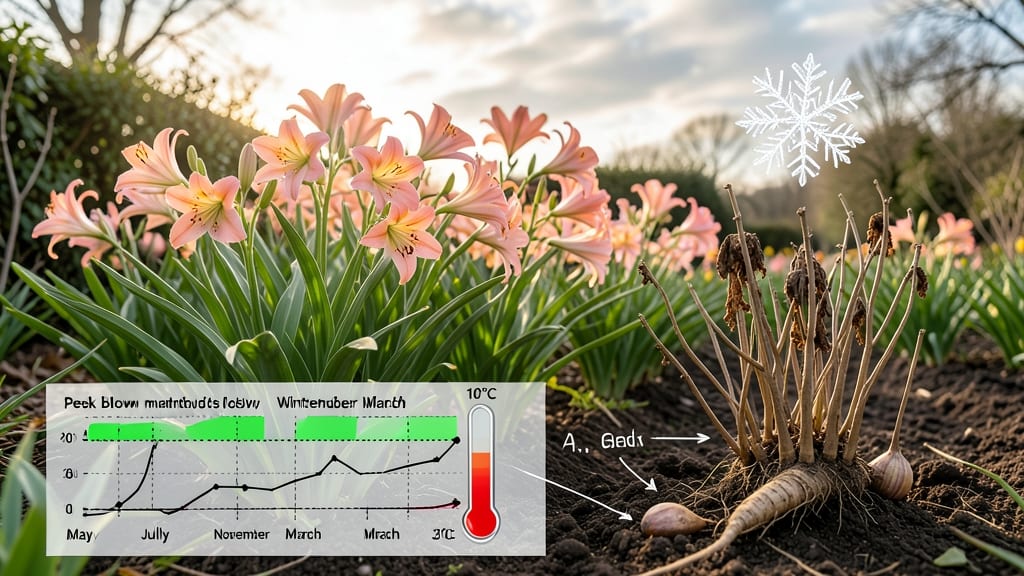
Lilies do not bloom all year; they follow seasonal cycles, typically flowering from late spring through summer before entering dormancy in winter months. Different varieties and climates affect when and how often they produce blooms.
Lilies are seasonal bloomers, meaning their flowering is triggered by specific light and temperature conditions. 🌸 Most varieties need 10-12 hours of daylight and warmer temperatures to initiate blooming, which explains why they peak in spring and summer.
Even in mild climates, lilies often enter a rest period during winter to conserve energy for next year's growth. The key to getting consistent blooms is understanding your specific lily type—Asiatic lilies, for example, tend to bloom earlier than Oriental varieties, which often wait until late summer.
What's interesting is how soil health and watering practices can influence bloom timing. Overwatering or poor drainage can stress the plant, delaying or reducing flowering. I've found that well-drained soil with regular feeding during the growing season helps many lilies produce more blooms per season.
For gardeners hoping to extend their lily season, choosing a mix of early and late-blooming varieties can create a continuous display from early spring through fall.
💡 In This Article
- Lily Bloom Cycles Explained: Seasonal Science and Species Variations
- Extending Lily Blooms: Pro Tips for Year-Round Color
Lily bloom cycles explained: seasonal science and species variations
The flowering rhythm of lilies is governed by two key botanical triggers: photoperiodism (daylight sensitivity) and vernalization (cold exposure). Most lily varieties need 10-14 hours of daylight to initiate bloom formation, which is why they peak in spring and summer when days lengthen.
Asiatic lilies, for example, often bloom first in late spring to early summer, while Oriental types typically wait until mid-to-late summer when temperatures stabilize above 60°F. This difference occurs because Oriental lilies require more accumulated warmth to break dormancy.
Temperature plays a critical role in regulating lily cycles. After blooming, lilies enter a dormancy phase when nights drop below 50°F, conserving energy in their bulbs. This rest period is essential—skipping it can exhaust the plant's resources, leading to fewer blooms next season.
Some tropical lily species (like Lilium longiflorum) don't experience true dormancy and may bloom year-round in USDA Zone 10+ climates, but they still show reduced vigor without seasonal rest. The bulb's internal clock, influenced by hormones like abscisic acid, coordinates these transitions.
Light quality matters too. Lilies respond to the red/far-red light ratio that changes with season—longer days in summer trigger flowering, while shorter days in fall signal dormancy.
This is why indoor-grown lilies often struggle to rebloom: artificial lighting lacks the natural spectral shifts that regulate their cycles. 🌿 For gardeners in regions with mild winters, this means lilies may produce secondary blooms in fall if temperatures stay above 55°F and daylight remains sufficient.
Species variations create dramatic differences in bloom timing. Martagon lilies often flower in early summer and again in fall, while Stargazer lilies (a hybrid) bloom late summer to early fall but require at least 6 weeks of warm weather after planting to produce flowers.
Even within species, individual plants may vary by 1-2 weeks in bloom time due to microclimate differences—like a south-facing garden bed staying warmer longer than a north side.
The bulb's age affects bloom cycles too. First-year bulbs often produce smaller flowers or none at all, while mature bulbs (3+ years old) can yield 10-30 blooms per stem.
This is why garden centers sell "blooming size" bulbs—typically 8+ inches in diameter—as younger bulbs prioritize root growth over flowering. The trade-off is that older bulbs may produce fewer blooms if their energy reserves are depleted from previous seasons.
Climate adaptation explains why some lilies bloom year-round in tropical regions. Rainforest lilies like Lilium longiflorum evolved without seasonal dormancy, relying instead on consistent warmth and humidity.
In temperate zones, these same species may only bloom once per year unless given artificial winter chilling (like storing bulbs in a 35-40°F environment for 8-12 weeks). This mimics natural cold periods that trigger spring blooming.