
Blooming
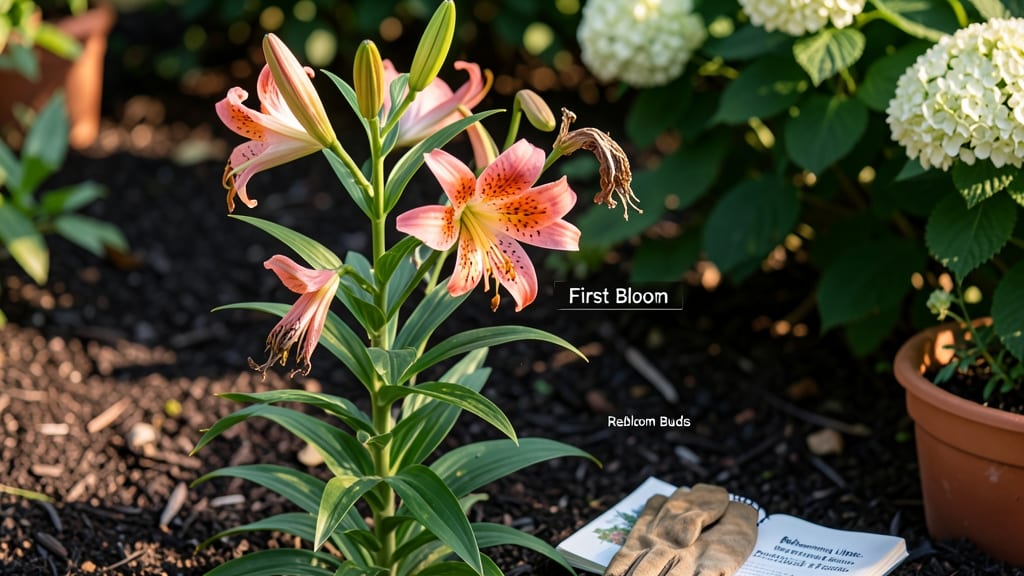
Lilies bloom more than once only if they are reblooming varieties like Stargazer or Casa Blanca, which produce flowers in summer and sometimes again in fall with proper care. Most lilies bloom just once per season unless they’re hybridized for repeat flowering.
Not all lilies share the same blooming habits—it all comes down to genetics. 🌸 While most lilies, like the classic Asian hybrids, put all their energy into a single spectacular summer bloom, reblooming varieties have been selectively bred to produce a second flush of flowers later in the season.
The key difference lies in their energy reserves and how they respond to seasonal cues. For example, Stargazer lilies often reward gardeners with a fall rebloom if given consistent care, while other varieties like Tiger lilies typically bloom just once and then focus on building their bulb for next year.
To maximize your chances of seeing that second bloom, focus on three critical factors: nutrients, light, and deadheading. 🌿 A balanced fertilizer with equal parts nitrogen, phosphorus, and potassium applied in early spring and mid-summer helps sustain the plant's energy needs.
Pruning spent blooms promptly redirects the plant's resources toward new flower production rather than seed development. And don't forget—lilies need full sun (at least six hours daily) and well-draining soil to thrive. With these conditions met, even some single-blooming varieties might surprise you with occasional repeat performances.
💡 In This Article
- Lily Blooming Cycles: Why Most Bloom Once vs. Reblooming Varieties
- How to Encourage Repeat Blooms in Lilies
Lily blooming cycles: why most bloom once vs. reblooming varieties
The fundamental difference between single-bloom and reblooming lilies lies in their genetic programming and energy allocation. Most lilies, like the popular Asian hybrid group, follow a monocarpic blooming pattern—they invest nearly all their energy into producing a single spectacular flower stalk in late spring or summer.
This is an evolutionary trade-off: after blooming, the plant redirects its resources toward bulb development for next year's growth, leaving little energy for repeat flowering. 🌸 For example, a Tiger lily may produce 10-20 buds on its stem, but after flowering, the foliage yellows and dies back completely, signaling the plant's energy has been exhausted for the season.
Reblooming varieties, however, have undergone selective breeding to modify this natural cycle. These hybrids—like the Casa Blanca or Stargazer lilies—possess genes that allow them to store and utilize nutrients more efficiently.
Their blooming process occurs in two distinct phases: the primary bloom in summer (June-July) and a secondary bloom in early fall (September-October). The key biological mechanism here is their ability to photosynthesize continuously throughout the growing season, maintaining a steady supply of carbohydrates in their bulbs.
Studies show reblooming lilies can store 30-40% more starch reserves in their bulbs compared to single-bloom varieties, which directly correlates with their ability to produce a second flush of flowers.
Light exposure plays a crucial role in triggering these secondary blooms. Reblooming lilies require at least 6-8 hours of direct sunlight daily to maintain their energy production.
When daylight hours begin shortening in late summer, these varieties respond by initiating a second growth cycle, provided they've been well-fed throughout the season. 💡 The science behind this involves photoperiodism—the plant's internal clock that detects changing light patterns.
Single-bloom lilies, however, interpret these shortening days as a signal to conserve energy for winter, halting all above-ground growth. This is why you'll often see reblooming lilies producing smaller second blooms—they're essentially "borrowing" against next year's energy reserves.
Another critical factor is the plant's root system development. Reblooming varieties typically develop more extensive fibrous root networks that allow them to absorb water and nutrients more efficiently. For instance, a mature Stargazer lily can spread its roots up to 2-3 feet wide, creating a larger nutrient-gathering zone.
This expanded root system enables the plant to sustain two blooming cycles without depleting its reserves. In contrast, single-bloom lilies often develop shallower, less extensive root systems, which limits their ability to support multiple flowering events.
The trade-off becomes apparent when you compare their foliage—rebloomers maintain lush, green leaves throughout the season, while single-bloomers often show significant leaf yellowing after their primary bloom.
Temperature also influences blooming cycles, particularly in cooler climates. Reblooming varieties generally thrive in USDA zones 4-9, where they experience distinct seasonal changes. The cool nights of early fall (around 50-60°F) actually trigger the secondary blooming process in these hybrids.
Single-bloom lilies, however, often require warmer summer temperatures (75-85°F) to initiate their primary bloom and may struggle to rebloom in regions with early autumn temperature drops.
This climate sensitivity explains why some gardeners in southern states report more consistent reblooming than those in northern regions—warmer fall temperatures provide the necessary conditions for the second flowering cycle.
What most gardeners don't realize is that even within reblooming varieties, individual plants can exhibit different blooming patterns based on their age and health. Young reblooming lilies (under 3 years old) may only produce a single bloom as they establish their root systems.
It typically takes 3-5 years for a reblooming lily to reach full maturity and consistently produce two flower cycles. This developmental stage is why many gardeners initially think their reblooming lilies aren't living up to expectations—patience is key when working with these varieties. 🌱