
Blooming
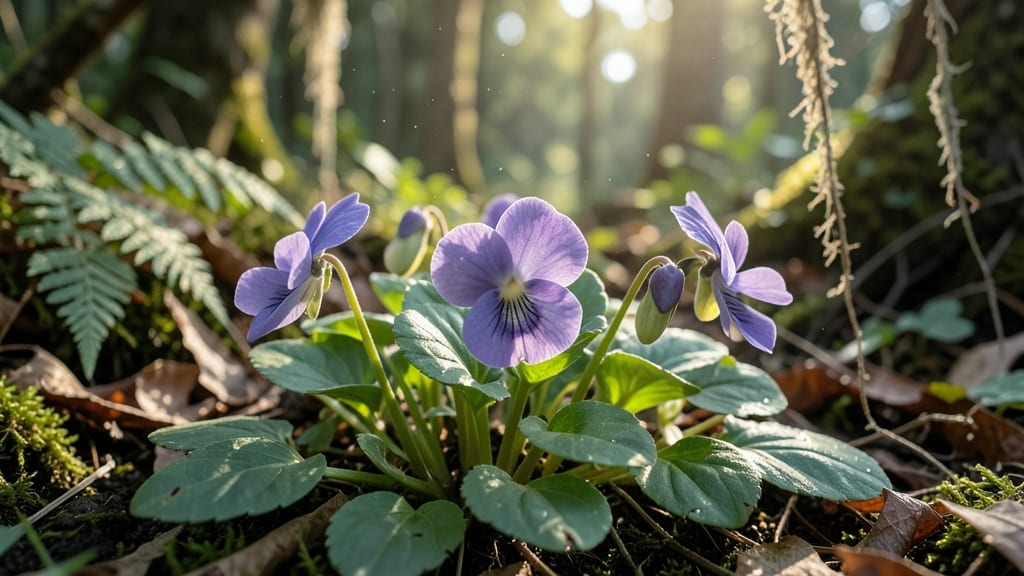
Spring’s earliest blooms are nature’s way of defying winter’s chill. These 10 hardy plants push through frost, offering vibrant color and life when your garden feels dormant—perfect for early-season pollinators and instant curb appeal.
Crocus Flowers for Early Pollinators
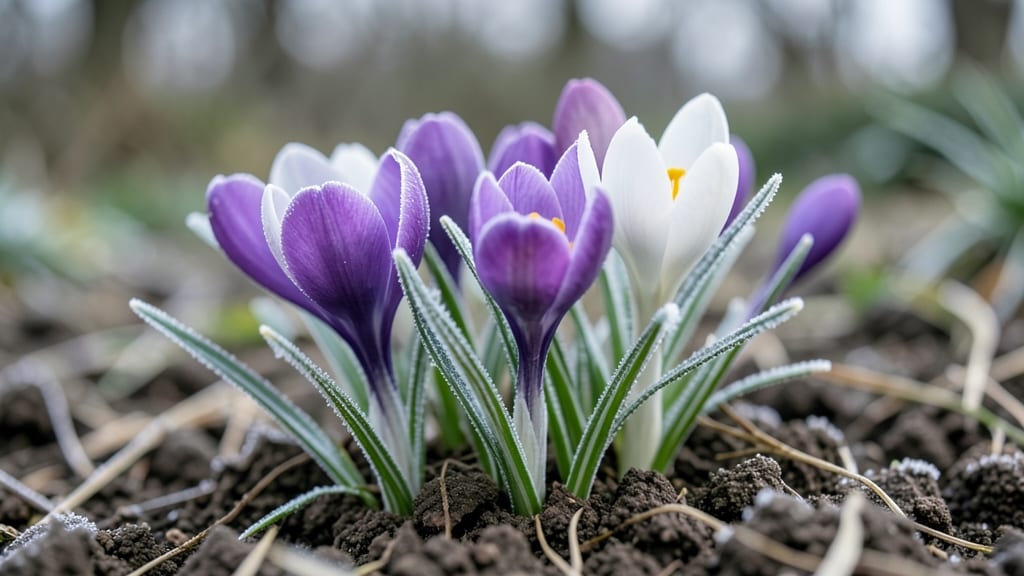
When your garden still looks like a winter wonderland, crocus flowers punch through the frost with their cheerful purple or white blooms—often as early as February. These tiny but mighty flowers are nature’s first call to pollinators, waking up bees from their winter slumber with a feast of nectar.
Plant them in rock gardens or containers where their compact size (just 2-4 inches tall) won’t overwhelm. They thrive in full sun to partial shade and need minimal care—just well-draining soil and occasional watering once established. For extra drama, mix purple and white varieties in the same bed to create a cascading effect.
Perfect for beginners or urban gardeners with limited space, crocus delivers instant color with almost no effort. Their early blooms also signal that spring is on its way—no frost required! 🌱
Snowdrops in Shaded Garden Beds
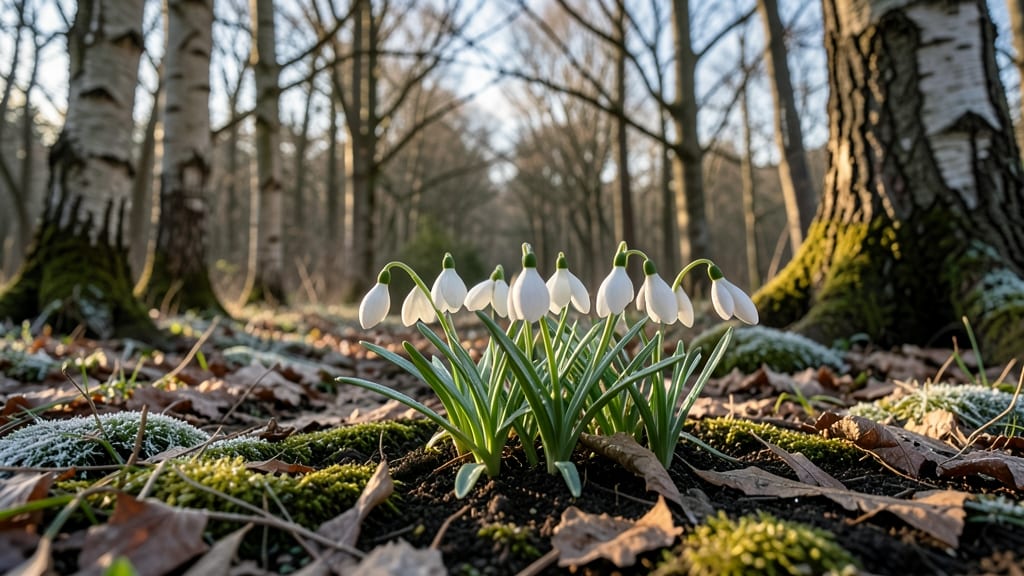
While crocus steals the show in sunny rock gardens, snowdrops are the unsung heroes of shaded spots—emerging through snow and frost to announce spring’s arrival with their delicate, nodding white bells. These hardy perennials thrive in dappled shade or deep woodland conditions, making them ideal for understory plantings, tree bases, or north-facing borders where other plants struggle.
Plant snowdrop bulbs in well-draining soil mixed with compost, 3-4 inches deep, and space them 2-3 inches apart for natural clusters. Their frost resistance means they often bloom in late winter or early spring, offering early nectar for bees and a striking contrast against bare branches. Varieties like Galanthus nivalis (common snowdrop) or Galanthus elwesii (giant snowdrop) add height and drama to shady corners.
Perfect for gardeners with limited sun exposure, snowdrops also spread slowly over time, creating lush drifts without needing division. Their ability to thrive in moist, humus-rich soil makes them a low-maintenance choice for woodland gardens or urban yards with mature trees. 🌱
Purple Winter Heath for Evergreen Color
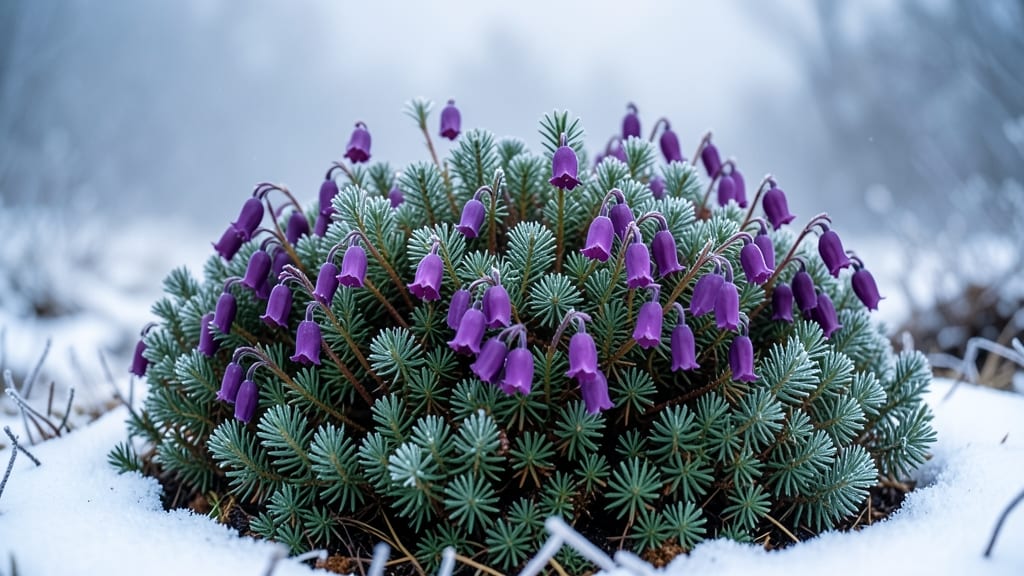
When your garden feels like a winter monochrome, purple winter heath (Erica carnea) steps in with bold, year-round color that defies frost. Unlike spring ephemerals, this evergreen shrub blooms in late winter—often when snow still lingers—then holds its deep purple flowers for weeks, creating a striking contrast.
Thriving in USDA zones 4-7, winter heath prefers full sun to partial shade and well-draining, acidic soil. Plant it on slopes or borders where its low, mounding habit prevents erosion while adding texture. Prune lightly after blooming to maintain shape, but avoid heavy cuts—its needle-like foliage provides winter interest even when not in bloom.
This is the perfect choice for gardeners who want low-maintenance structure with seasonal drama. Urban gardeners with small spaces will love its compact size (1-2 feet tall), while rural landscapes benefit from its pollinator-friendly blooms. 🌟
Daffodils in Bold Yellow Hues
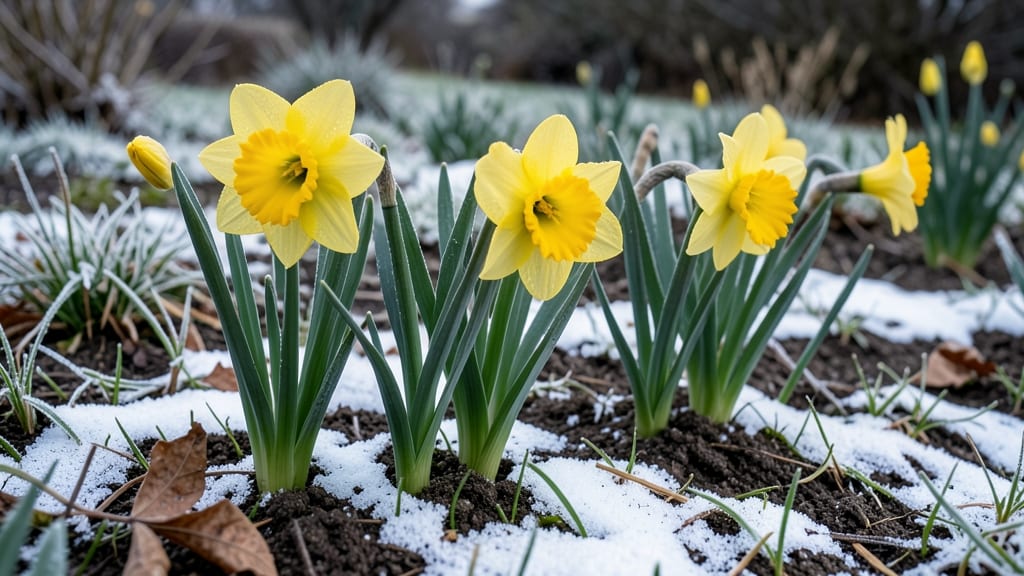
When you crave instant spring cheer that defies frost, daffodils deliver with their bold yellow trumpets—often blooming as early as February in cold climates. Unlike delicate spring flowers, these hardy perennials push through snow, offering a reliable burst of color when your garden still feels dormant.
Choose from early-blooming varieties like 'February Gold' or 'Tête-à-Tête' (a dwarf option perfect for containers) to extend your season. Plant bulbs in full sun to partial shade, 6 inches deep and 4-6 inches apart, in well-draining soil. They thrive in USDA zones 3-8, making them ideal for northern gardens or high-altitude regions.
Bonus: Daffodils are deer-resistant and toxic to pets, so they’re low-maintenance and safe for families. Whether forced indoors for Valentine’s Day or planted outdoors for a year-round show, these cheerful bloomers are the ultimate early-season statement. 🌟
Hepatica for Woodland Garden Magic
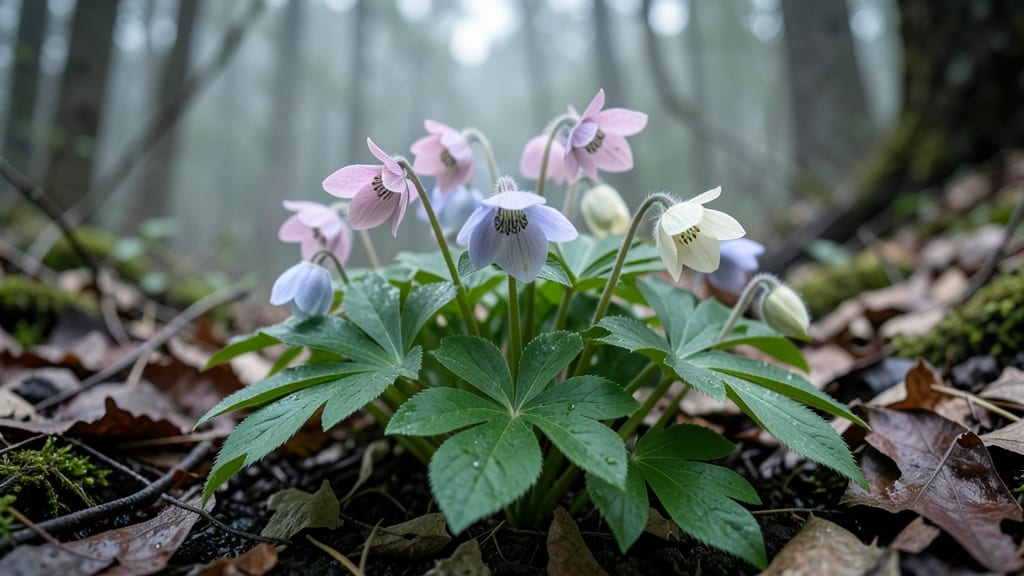
When you crave a touch of whimsy in your woodland garden, hepatica delivers with its delicate three-lobed leaves and early spring blooms in soft pink, white, or blue. This native woodland gem thrives where others struggle—moist, shaded spots under trees or along forest edges—making it perfect for naturalistic gardens.
Hepatica blooms before leaves emerge, often in March or April, and its unique foliage adds texture year-round. Plant it in well-draining, humus-rich soil and keep it consistently moist (but not soggy) to encourage vibrant blooms. It’s low-maintenance and deer-resistant, ideal for gardeners who want effortless beauty.
Perfect for native plant enthusiasts or those seeking shade-tolerant perennials, hepatica brings early color and charm without demanding full sun. 🌿
Bleeding Heart Vine for Vertical Interest
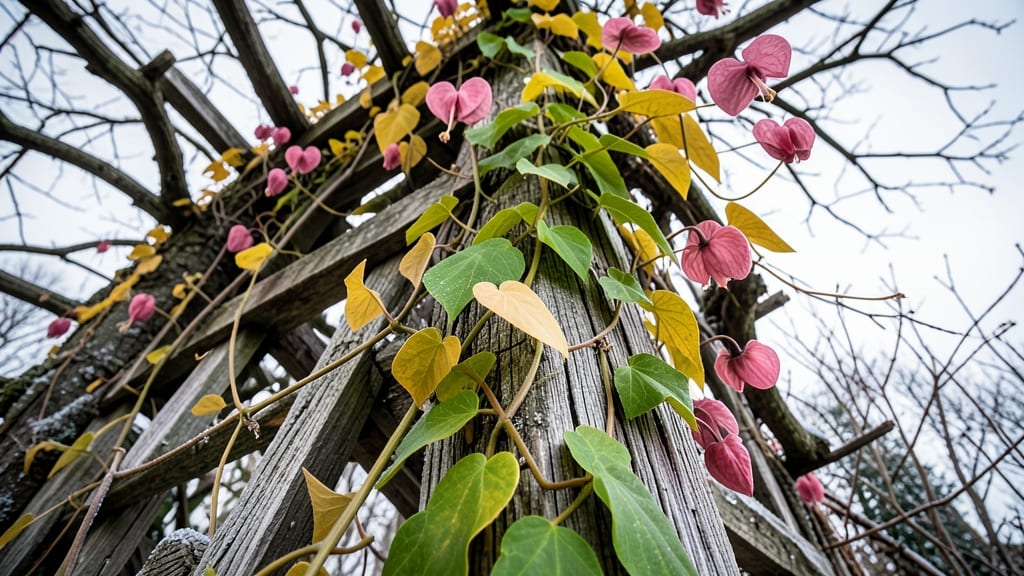
If your garden feels flat in late winter, bleeding heart vine (Cercis canadensis 'Hearts of Gold') swoops in like a romantic hero—climbing trellises with heart-shaped pink blooms as early as February. Unlike ground-hugging flowers, this vigorous climber transforms bare walls or fences into a living tapestry of color and texture, often before most perennials even think about waking up.
Plant it in partial shade to full sun (morning sun is ideal) and provide a sturdy trellis, arbor, or chain-link fence for support. It thrives in moist, well-draining soil and grows 6-10 feet tall in a single season, making it perfect for filling vertical gaps quickly. Prune back leggy stems after flowering to encourage bushier growth and more blooms next year.
Urban gardeners with limited space or small yards will love how this vine maximizes vertical real estate while adding early-season drama. Its delicate foliage and cascading flowers create a whimsical, almost fairy-tale quality—perfect for cottage gardens or modern spaces craving organic texture. 🌷
Winter Aconite for Sunny Spots
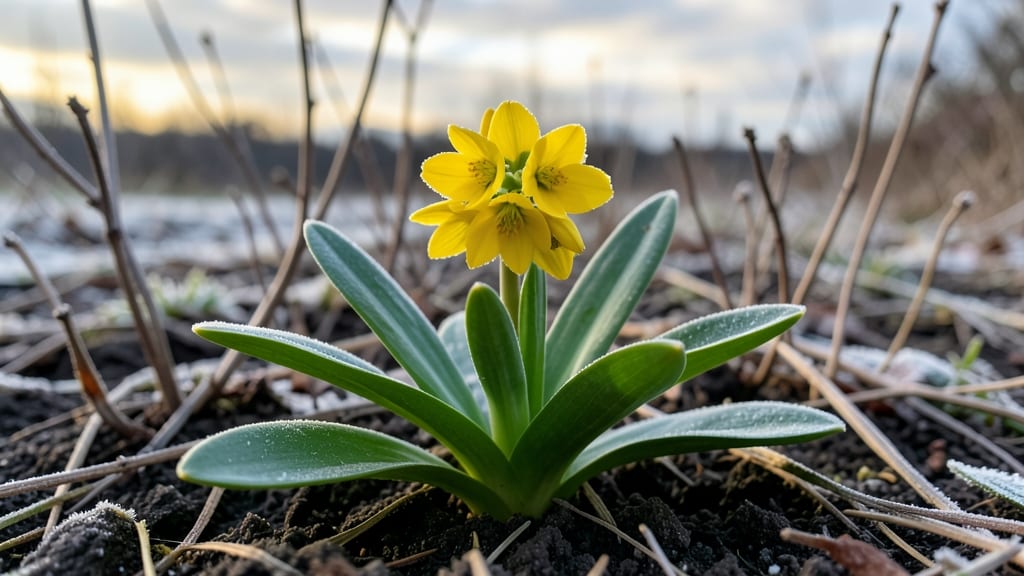
When you crave a burst of sunshine before spring officially arrives, winter aconite (Eranthis hyemalis) delivers with its cheerful bright yellow flowers that appear as early as late February—sometimes even through light frost. This tiny but mighty plant thrives in full sun to partial shade, making it perfect for sunny rock gardens, containers, or alpine-style plantings where other flowers haven’t emerged yet.
Plant the bulbs 2-3 inches deep in well-draining soil mixed with sand or grit, and space them 2-3 inches apart for a carpet of color. Unlike many early bloomers, winter aconite tolerates dry conditions once established, making it ideal for drought-prone sunny spots. Its low-growing habit (4-6 inches tall) also makes it perfect for edging or filling gaps in borders where taller plants haven’t sprouted yet.
Urban gardeners and rock garden enthusiasts will love how winter aconite brightens small spaces with minimal care—just water occasionally after planting and enjoy its year-round foliage (though it’s not evergreen). It’s the perfect way to announce spring’s arrival with a pop of sunshine. ✨
Lungwort for Textured Ground Cover
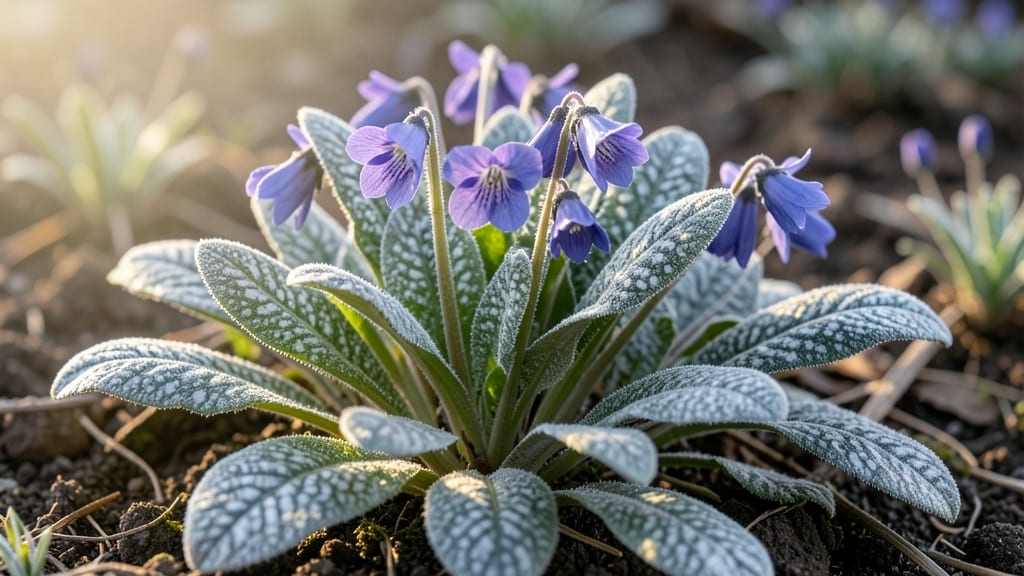
If you crave a plant that delivers both texture and color in early spring, lungwort (Pulmonaria) is your secret weapon. Its silvery, spotted leaves create a striking contrast against winter’s drabness, while its purple or blue blooms appear before most perennials—often as early as February—making it a standout for the first bloom of spring.
This hardy perennial thrives in partial to full shade and tolerates a range of soils, from clay to loam, as long as it’s well-draining. Plant it in borders, slopes, or under trees where its low-growing habit (12-18 inches tall) suppresses weeds naturally. Varieties like 'Sissinghurst White' or 'Blue Mist' add visual interest year-round, with foliage that turns green after blooming.
Perfect for gardeners who want low-maintenance beauty with dual appeal, lungwort is especially great for woodland gardens, cottage-style beds, or as a living mulch. Its early blooms feed pollinators while its foliage provides texture long after the flowers fade. 🌿
Primrose for Cottage Garden Charm
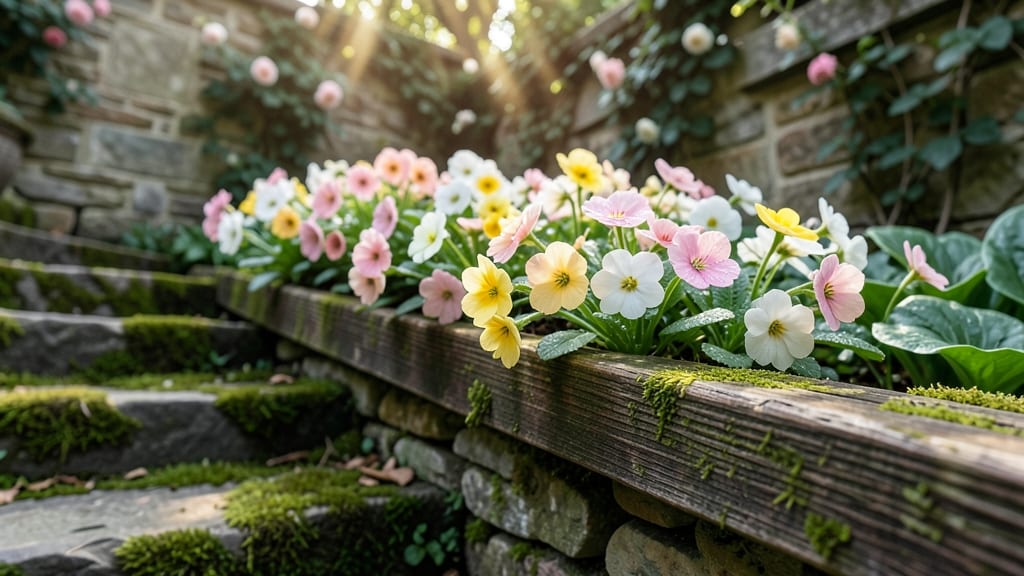
If you crave a garden that feels like a storybook, primroses are the perfect chapter—soft clusters of pink, yellow, or white blooms that spill over like spilled paint on a canvas. Unlike their sun-loving counterparts, these delicate flowers thrive in partial shade, making them ideal for cottage gardens where dappled light filters through trees or along north-facing walls.
Plant them in moist, well-draining soil enriched with compost, and space clusters 6-12 inches apart for a lush, natural look. Varieties like Primula vulgaris (common primrose) or Primula denticulata (cowslip primrose) attract bees and butterflies early in the season, while their year-round foliage adds texture even when not in bloom. Deadhead spent flowers to encourage more blooms, but leave some for seed heads to add rustic charm.
Perfect for gardeners who love romantic, low-maintenance beauty, primroses also work as edging plants along paths or in containers on patios. Their early spring blooms create a welcoming contrast to winter’s starkness, making them a must-have for cottage-style gardens or any space that needs a touch of whimsy. 🌷
Sweet Violet for Fragrant Early Blooms

When you crave a garden that smells as sweet as it looks, sweet violets deliver with their fragrant purple blooms and edible leaves—often emerging as early as March in mild climates. Unlike their wild cousins, these garden varieties (like Viola odorata) thrive in moist, shaded spots where other plants struggle, making them perfect for understory plantings or fairy gardens.
Plant them in partial to full shade, in well-draining, humus-rich soil that stays consistently moist. Their low-growing habit (6-12 inches tall) makes them ideal for borders or as a living ground cover, suppressing weeds while adding delicate color. You can even harvest the leaves for salads or infuse them in teas for a subtle floral flavor.
This is the ideal choice for gardeners who want multi-functional beauty—fragrance, color, and edibility all in one. Urban gardeners with shady patios or woodland enthusiasts will love how violets transform overlooked spaces into enchanting havens. 🌷