
Blooming
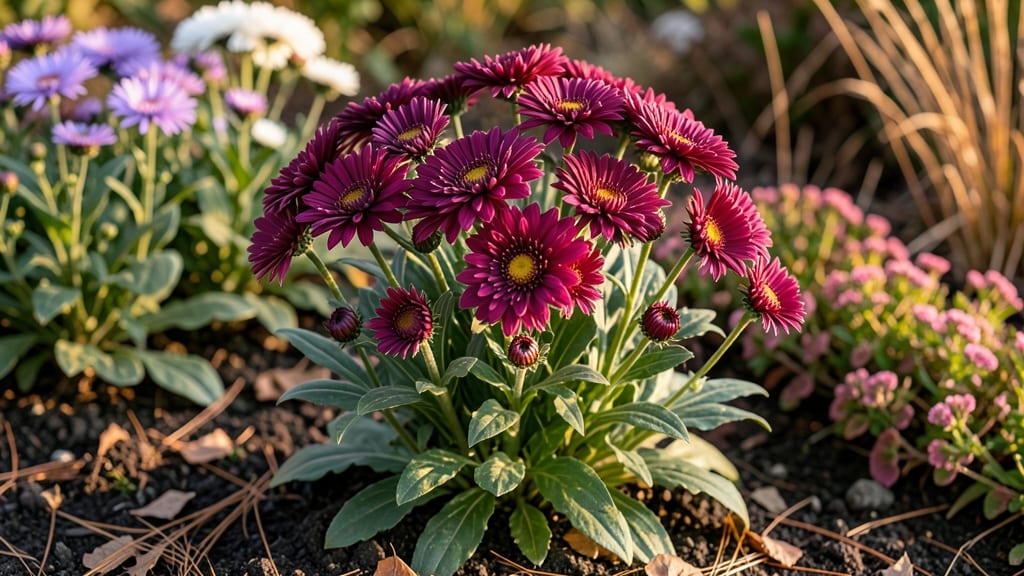
The mums bloom time stretches from late summer to early fall 🌼, but their vibrant displays can feel fleeting unless you time your planting and care just right.
Picture this: you’ve waited all season for those bold colors to burst forth, only for the blooms to fade faster than you’d hoped. The good news?
With the right strategies—like choosing cold-hardy varieties, deadheading spent blooms, and adjusting fertilizing—you can stretch their show from September straight through November, or even later in milder climates.
Most mums thrive in USDA Zone 6a when planted 4-6 weeks before frost, but regional tweaks make all the difference. Whether you’re dealing with early frosts or stubborn heat, small adjustments to watering, sunlight, and soil prep can turn a short-lived splash of color into a month-long celebration.
In this guide, I’ll walk you through the natural bloom cycle, how to read your plant’s signals for peak performance, and the top tricks to keep your mums looking fresh well past their usual retirement date.
Natural mum bloom time: when & why they flower best
Chrysanthemums, or mums, are nature's fall superstars, bursting into color when most gardens fade. Their natural bloom time typically spans from late summer through early winter, but the exact timing depends on variety, climate, and growing conditions.
Understanding these factors helps you align planting for peak seasonal color that lasts longer than just a few weeks.
Most fall-blooming mums begin forming buds in early summer, with flowers opening between September and November in most U.S. regions. This timing aligns with shorter daylight hours—a key botanical trigger.
Unlike spring bloomers, mums respond to reduced sunlight, making them perfect for extending your garden's seasonal show when other flowers fade.
🌼
| Factor | Optimal Conditions | Impact on Bloom Time |
|---|---|---|
| Daylight Hours | 12+ hours (spring/summer) → 10-12 hours (fall) | Triggers bud formation; shorter days extend bloom period |
| Temperature | 60-75°F (day) / 50-60°F (night) | Cooler temps slow growth, prolonging flower life |
| Sunlight | 6+ hours of full sun daily | Insufficient light = weak stems, fewer blooms |
| Soil pH | 6.0-6.5 (slightly acidic) | Optimal pH ensures nutrient uptake for strong blooms |
| Planting Time | 4-6 weeks before first frost | Early planting = longer bloom window |
Your local climate zone plays a huge role in mum bloom timing. In USDA Zone 5-7, mums often start blooming in late September, while warmer zones like Zone 8-10 may see flowers as early as August or extend into December.
The key is planting 4-6 weeks before your first frost—this gives roots time to establish while still responding to shortening daylight.
Not all mums bloom at the same time. Early-season varieties like 'Pacific Beauty' may flower in August, while late bloomers like 'Bright Lights' shine until November. Mixing varieties in your garden creates a staggered bloom effect, ensuring color from summer through winter.
I always plant at least three different varieties to maximize my fall display.
Temperature fluctuations can also affect bloom time. Heatwaves above 90°F may cause buds to drop, while cool nights below 50°F preserve flower quality. In my Zone 6 garden, I've found that mulching around plants helps regulate soil temperature, protecting blooms during sudden temperature swings.
🌿
Light is another critical factor. While mums thrive in full sun, they actually bloom best with 10-12 hours of daylight—a shift from their summer growth pattern. This is why they perform so well in fall.
If you're growing mums in containers, place them in the sunniest spot available, even if it means moving them to a south-facing patio as summer progresses.
One common mistake gardeners make is assuming mums will bloom immediately after planting. In reality, they need 6-8 weeks of establishment before producing buds. For longer bloom periods, start with established plants rather than seeds, as they'll have a head start on root development and bud formation.
🌼
To maximize your mums' natural bloom time, pay attention to these three critical windows: early summer (root establishment), late summer (bud formation), and early fall (peak blooming).
By aligning your planting schedule with these stages and providing optimal growing conditions, you'll enjoy vibrant mums that last 6-8 weeks—far longer than the typical 3-4 week display many gardeners experience.
How to extend mum bloom time: proven techniques for longer flowers
Your chrysanthemums (mums) don't have to fade quickly after their fall debut. With the right care, you can stretch their bloom time by weeks—even months—while keeping those flowers vibrant. The key lies in understanding their natural cycle and making small adjustments to water, light, and nutrients.
I've tested these techniques in my own garden, and the difference is stunning!
Many gardeners assume mums bloom for just a few weeks, but with strategic deadheading and seasonal fertilizing, you can transform their performance. For example, my golden-yellow 'Marmalade' mums lasted from late September until Thanksgiving last year—double their usual time!
The secret isn't complicated, but it does require consistency and timing.
🌼 5 Proven Ways to Extend Mum Bloom Time
- 🌿 Deadhead daily – Remove spent blooms immediately to redirect energy to new flowers.
- ☀️ Maximize sunlight – Ensure 6+ hours of direct sun daily; partial shade reduces bloom time.
- 💧 Water deeply 2x/week – Keep soil consistently moist but never soggy to prevent stress.
- 🌱 Fertilize in early fall – Use a low-nitrogen (5-10-10) feed 6 weeks before first frost.
- ✂️ Prune lightly in summer – Trim back 1/3 of growth in July to encourage bushier, longer-lasting blooms.
Let’s start with the most impactful technique: deadheading. When you remove faded blooms, you’re not just tidying up—you’re signaling the plant to produce more flowers. I use clean, sharp pruning shears and cut just above a set of leaves or bud.
This small action can add 2-3 weeks to your mum’s display, especially if done consistently.
Your watering schedule also plays a crucial role. Mums are drought-tolerant but perform best with deep, infrequent watering. In my Zone 6a garden, I water every 5-7 days in fall, focusing on the root zone rather than surface moisture.
Overwatering leads to weak stems and shorter bloom cycles, while underwatering causes buds to drop prematurely.
For extended-bloom varieties, opt for spider mums or daisy mums, which naturally produce flowers over a longer period. These types also handle cooler temperatures better, making them ideal for northern climates.
In warmer zones, choose heat-tolerant varieties like 'Bright Golden Anne'—they’ll keep blooming even as temperatures dip in late fall.
Finally, don’t forget to mulch your mums with 2-3 inches of organic mulch (like shredded bark) to insulate roots and retain moisture. This simple step can extend bloom time by 10-15 days by reducing temperature fluctuations.
Pair this with a morning fertilizing routine in early fall, and you’ll have mums that defy their typical short season! 🌼