
Blooming
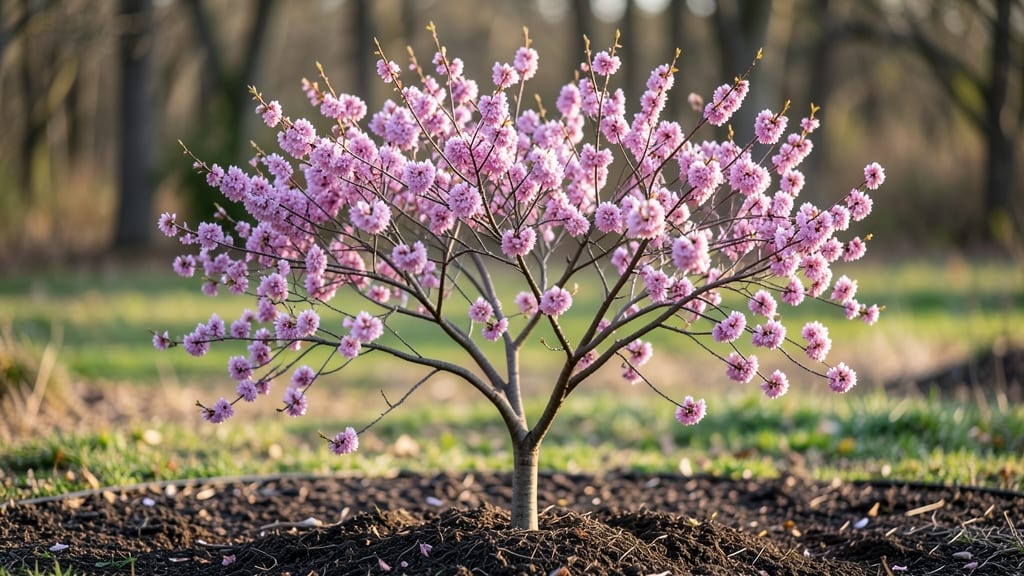
Redbud trees burst into pink perfection earlier than you'd expect—sometimes as soon as late winter in warmer zones, or by early spring in colder areas. 🌸 The exact bloom time depends on your climate, but most redbuds (Cercis canadensis) surprise gardeners with their fragrant spikes before many other trees even think about leafing out.
My local redbuds in Zone 6 put on a show in mid-March, when the air still has a crisp edge but the promise of spring is undeniable.
If you're in Zones 5-7, expect blooms between late February and April, with southern exposures blooming first. Cooler zones (8+) might see them later, around March-April, while northern gardens (4-5) wait until April-May. The key to encouraging early blooms?
Plant in full sun and avoid heavy fertilization—too much nitrogen delays those showstopping flowers. I learned this the hard way after my first redbud bloomed a full week later than its neighbor.
Once you know your local redbud's rhythm, you can time pruning and fertilization for maximum impact. Prune right after blooming to shape the tree without cutting off next year's flowers, and add a light layer of compost in early spring to fuel growth.
The result? A tree that not only blooms reliably but also puts on lush foliage that turns golden in fall. My redbuds now get more compliments than my entire front yard.
For gardeners in areas with late frosts, consider planting near a south-facing wall to protect those delicate blooms. And if your redbud skips a year? Don't panic—it might just be resting up for a bigger show next spring.
These trees are hardy survivors, and with the right care, they'll reward you with decades of color. Now, go find the perfect spot for one—your neighborhood will thank you.
📚 In This Guide
- What you need
- Instructions
- Tips and common mistakes
- Wrapping up and next steps
What you need
- ● Redbud tree(s) – Choose native cultivars like Cercis canadensis (Eastern Redbud) or Cercis occidentalis (Western Redbud), ideally planted in full sun to partial shade.
- ● Digital calendar or garden journal – For logging bloom dates (paper or app-based).
- ● Smartphone or camera – To capture bloom stages (5+ MP recommended for clarity).
- ● Weather-resistant markers or flags – 3–5 biodegradable plant tags (e.g., wooden stakes or metal labels) to mark trees for easy tracking.
- ● Local climate zone guide – USDA Plant Hardiness Zone Map or a regional bloom calendar (e.g., blank">Gardeners.com or blank">USDA Hardiness Zone Map).
- ○ Pruning shears (optional but helpful) – Small, sharp shears (e.g., Fiskars or Felco) for post-bloom maintenance.
- ● Bloom-tracking app – Like Gardenate or iNaturalist to log dates and share with local gardening communities.
- ● Thermometer/hygrometer – To correlate bloom timing with temperature/humidity (e.g., La Crosse Technology models).
- ● Garden gloves – Lightweight, breathable pair for handling branches or soil.
- ● Slow-release fertilizer – Balanced 10-10-10 or compost (1 lb per tree) to support post-bloom health.
- ● Mulch (2–3 inches) – Organic mulch (e.g., shredded bark) to retain moisture and regulate soil temp.
- ● Know your climate zone – Redbuds bloom earlier in Zones 5–7 (late winter/early spring) and later in Zones 8–9 (spring).
- ● Established trees (3+ years old) – Younger redbuds may bloom sporadically.
- ● Patience for consistency – Bloom times can vary by 1–2 weeks yearly due to weather!
How to predict and encourage redbud bloom time by climate zone
Here’s how I time redbud blooms across zones—no guesswork, just science and observation.
🌱 Step 1: Track Last Year’s Bloom Dates
Start by noting when your redbud bloomed last year. Redbuds (Cercis canadensis) typically bloom in early spring, but timing shifts by 1-3 weeks depending on your zone. In Zones 4-5, expect blooms in late March to early April. Warmer zones (6-7) see flowers in February to March. Write down the exact dates—this becomes your baseline.
Real talk: If your yard sits in a microclimate (like a south-facing slope), blooms may arrive 10-14 days earlier than your zone’s average. Watch for buds swelling in late winter—they’ll look like tiny green sausages along the branches. This is your first clue blooms are coming.
☀️ Step 2: Monitor Chill Hours and Frost Dates
Redbuds need 600-900 chill hours (temperatures between 32-45°F) to trigger blooms. Check your local USDA zone’s average chill hours—most redbuds in Zones 4-7 get enough naturally. But if you’re in a mild-winter zone (8+), your tree might bloom erratically or skip years. In these areas, I recommend choosing ‘Rubicon’ or ‘Forest Pansy’ varieties—they’re more reliable.
Next, track your last average frost date. Redbud blooms are frost-sensitive—flowers can blacken if hit by 28°F or below. In Zones 5-6, I wait until mid-April to celebrate blooms, while Zone 7 gardeners can relax by early March. Use a local frost calendar (like the Old Farmer’s Almanac) to plan ahead.
💧 Step 3: Adjust Watering and Fertilizer for Peak Blooms
Healthy trees bloom better. In late winter (February), water deeply if your area had dry fall or winter. A 6-inch-deep soak encourages root growth, which fuels spring blooms. Avoid overwatering—soggy soil in winter can rot roots. Look for cracked or peeling bark as a sign of stress; this means your tree needs more consistent moisture.
In early spring (March), apply a balanced 10-10-10 fertilizer (or a slow-release granular) around the drip line (the edge of the tree’s canopy). Scratch it into the top 2 inches of soil—this feeds roots without burning them. Too much nitrogen now delays blooms, so follow the package rate. I swear by organic compost (like well-aged cow manure) for a gentler boost.
⏰ Step 4: Time Pruning for Next Year’s Blooms
Prune redbuds right after blooming (April-May) to avoid cutting off next year’s flower buds. Remove dead, crossing, or weak branches first—these compete with blooms for energy. Thin the canopy by 20-30% to improve airflow, which reduces disease and stress. Never prune in fall or winter; you’ll risk encouraging suckers or fungal issues.
Here’s the thing—redbuds bloom on old wood, so heavy pruning now means fewer flowers next year. I limit myself to light shaping and only remove branches thicker than ½ inch. Use clean, sharp pruners to make cuts just outside the branch collar (the swollen area where the branch meets the trunk). Ragged cuts invite disease.
🌿 Step 5: Extend Bloom Time with Strategic Planting
Pair your redbud with early-blooming bulbs (like daffodils or crocus) to create a layered spring display. Plant bulbs in fall under the tree’s canopy—they’ll pop up 2-3 weeks before redbud blooms, extending your color show. Just keep bulbs 12+ inches away from the tree’s trunk to avoid root competition.
For longer-lasting blooms, choose a multi-stem redbud (like Cercis canadensis ‘Lavender Twist’) or a weeping cultivar (like Cercis canadensis ‘Lavender Falls’). These varieties often bloom 1-2 weeks longer than standard redbuds. Mulch the base with 3 inches of shredded bark to insulate roots and retain moisture—this keeps the tree healthy for more vibrant, prolonged blooms.
Tips & tricks for predicting redbud bloom time
Here's the thing about redbud blooms—timing is everything, and these tricks will help you nail it every year.
Microclimate Awareness: Pay special attention to your specific microclimate, especially if you're in a transitional zone. South-facing slopes can bring blooms 10-14 days earlier than your USDA zone predicts. I always check the orientation of my yard before setting expectations—this explains why my neighbor's redbud blooms first even though we're in the same zone.
Bud Inspection Technique: In late winter, examine your tree's buds closely. Healthy buds will look like tiny green sausages along the branches. If they're still tight and brown, blooms are weeks away. But when you see them start to swell and turn a pale green, count on blooms in 7-10 days. This visual cue is more reliable than dates alone.
Frost Protection Strategy: Since redbud blooms are frost-sensitive, I recommend monitoring your local frost forecast closely. When nighttime temperatures drop below 28°F, cover your tree with frost cloth if blooms are imminent. I've seen beautiful pink flowers turn to blackened mush overnight—it's heartbreaking but preventable with this simple precaution.
Variety Selection: If you're in Zone 8 or higher, consider planting 'Rubicon' or 'Forest Pansy' varieties—they're bred to handle mild winters better. I planted 'Forest Pansy' in my Zone 8 garden last year, and it bloomed reliably when my standard redbud skipped a year completely. The purple flowers are a bonus too!
Pro Tips for Redbud Bloom Time
- Here's the thing about redbud blooms—timing is everything, and these tricks will help you nail it every year.
- Microclimate Awareness: Pay special attention to your specific microclimate, especially if you're in a transitional zone.
- Bud Inspection Technique: In late winter, examine your tree's buds closely.
Frequently asked questions
about redbud bloom time—because timing is everything! Whether you're planning a garden or just admiring nature's show, here are answers to common queries.When exactly do redbuds bloom in my area?
Redbud bloom time varies by USDA hardiness zone. In Zones 5-9, expect blooms in early to mid-spring (March–April), often before leaves emerge. Check your local frost dates—redbuds thrive when nights stay above 30°F (–1°C). For precise timing, track your region’s National Phenology Network updates.
Why isn’t my redbud blooming this year?
Don’t panic! Redbuds may skip blooming if they’re young (under 3 years old), stressed (poor soil/drought), or pruned too late in the season. Over-fertilizing can also delay flowers. Pro tip: Ensure well-draining soil and prune in late winter (before buds swell) to encourage next year’s blooms.
Can I extend redbud bloom time?
While you can’t control Mother Nature, you can optimize conditions! Plant in full sun (6+ hours/day) and water deeply during dry spells. Mulch around the base to regulate soil temps. For container redbuds, move them to a sheltered spot if late frosts threaten. Bonus: Some cultivars (like ‘Raven’s Wing’) bloom slightly later—great for staggered color!
What if my redbud blooms too early?
Early bloomers risk frost damage. If flowers appear before last-frost dates, protect them with frost cloth or a lightweight blanket (remove during the day). Avoid heavy pruning before blooms open—wait until after flowering to shape the tree. Warning: Damaged blooms won’t produce seed pods, but the tree will rebound!
Are there redbud alternatives with similar bloom times?
Yes! If redbuds aren’t your style, try these early-spring bloomers:
- Eastern Redbud (Cercis canadensis) relatives: ‘Forest Pansy’ (purplish leaves), ‘Whitewater’ (white flowers).
- Serviceberry (Amelanchier): White blooms + edible berries (Zones 4–9).
- Magnolia (Magnolia stellata): Star-shaped flowers in late winter (Zones 4–9).
- Dwarf Fothergilla (Fothergilla gardenii): Fragrant, bottlebrush-like blooms (Zones 5–7).
Wrapping up and next steps
Now that you know the perfect redbud bloom time for your climate zone and how to coax the best blooms from your tree, you’re ready to enjoy their stunning pink beauty! 🌸 Whether you’re a seasoned gardener or just starting, these fragrant flowers are a rewarding addition to any landscape. Next, grab your pruners and head outside—watch your redbud transform into a springtime showstopper!
- 📅 Mark your calendar for peak bloom in your area.
- ✂️ Prune wisely to encourage healthy growth.
- 🌿 Share the love by planting one in your yard—it’s a gift for pollinators!