
Blooming
Texas’s warm climate allows certain flowers to thrive year-round with minimal maintenance. These 10 low-maintenance bloomers require no deadheading to keep your garden vibrant, offering color from winter to summer without extra effort.
Texas Bluebonnet (Lupinus texensis)
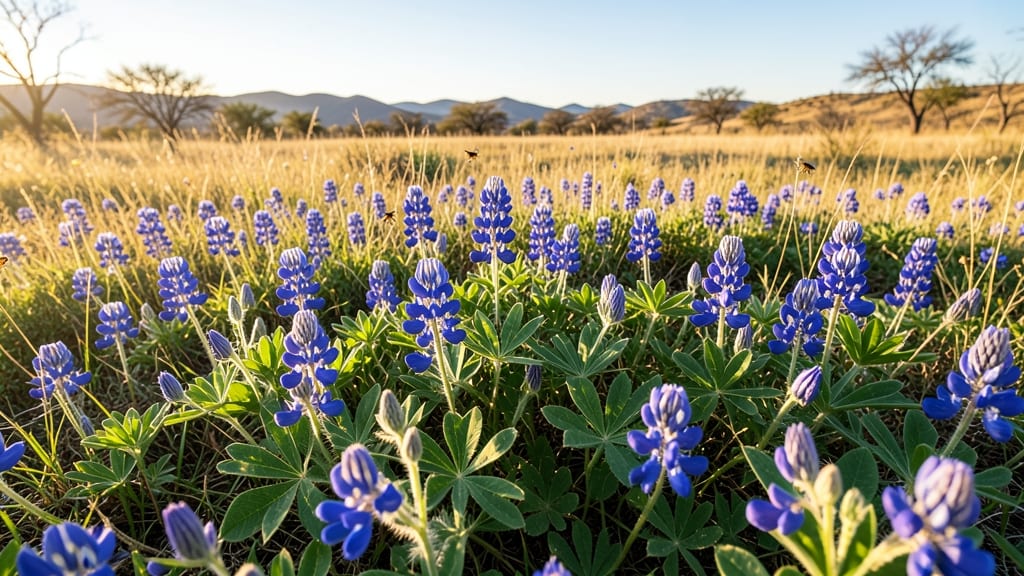
If you want a flower that practically blooms on its own while supporting Texas’s pollinator population, the Texas bluebonnet (Lupinus texensis) is your answer. This iconic state flower thrives in wildflower meadows and gardens alike, spreading effortlessly with minimal intervention.
Plant seeds in fall for spring blooms, and they’ll self-seed prolifically, creating stunning blue carpets that attract bees, butterflies, and hummingbirds. They tolerate drought and poor soil once established, making them perfect for low-maintenance landscapes. Just avoid overwatering—they prefer dry conditions once rooted.
Perfect for beginners and pollinator gardens, bluebonnets bring year-round beauty with their striking color and resilience. 💚
Mexican Bush Sage (Salvia leucantha)
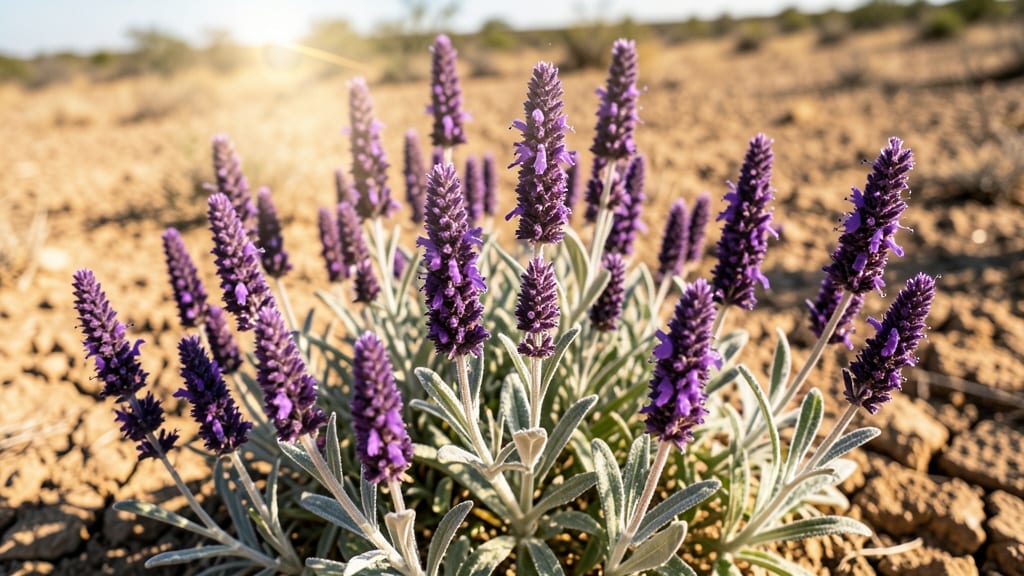
If you crave a year-round hummingbird magnet that thrives in Texas’s brutal heat, Mexican Bush Sage (Salvia leucantha) delivers velvety purple spikes that bloom continuously from summer through fall—and often into winter with mild temperatures. This drought-resistant beauty handles full sun exposure and rocky, well-draining soil with ease, making it ideal for low-maintenance sunny borders.
Plant it in well-draining soil and space 18-24 inches apart for a lush, textured look. Prune lightly after flowering to encourage bushier growth, but avoid heavy cuts that remove next year’s blooms. The fragrant foliage deters pests while providing a striking contrast to silver-blue foliage, creating a striking visual that hummingbirds can’t resist.
Perfect for urban gardeners, pollinator enthusiasts, and those seeking heat-tolerant perennials, this plant adds drama with minimal effort. 🌻
Firebush (Hamelia patens)
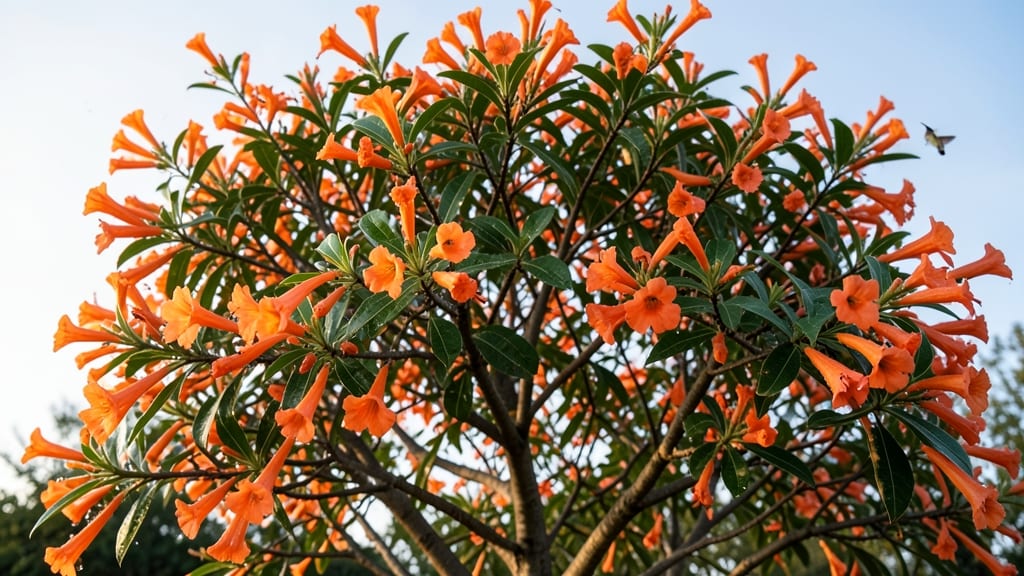
If you want a year-round burst of color that doesn’t require perfect soil or constant care, firebush (Hamelia patens) is your answer. This native shrub produces bright orange tubular flowers that bloom continuously, creating a fiery display that hummingbirds and butterflies can’t resist.
Firebush thrives in full sun and tolerates poor soil, making it ideal for neglected corners of your yard or even rocky landscapes. It’s drought-tolerant once established, so you won’t need to fuss over watering. Prune lightly after flowering to encourage bushier growth, but otherwise, it’s a low-maintenance superstar.
Perfect for pollinator gardens, firebush also adds texture with its glossy green leaves, making it a versatile choice for hedges, borders, or even as a focal point in containers. 🌻
Lantana (Lantana camara)
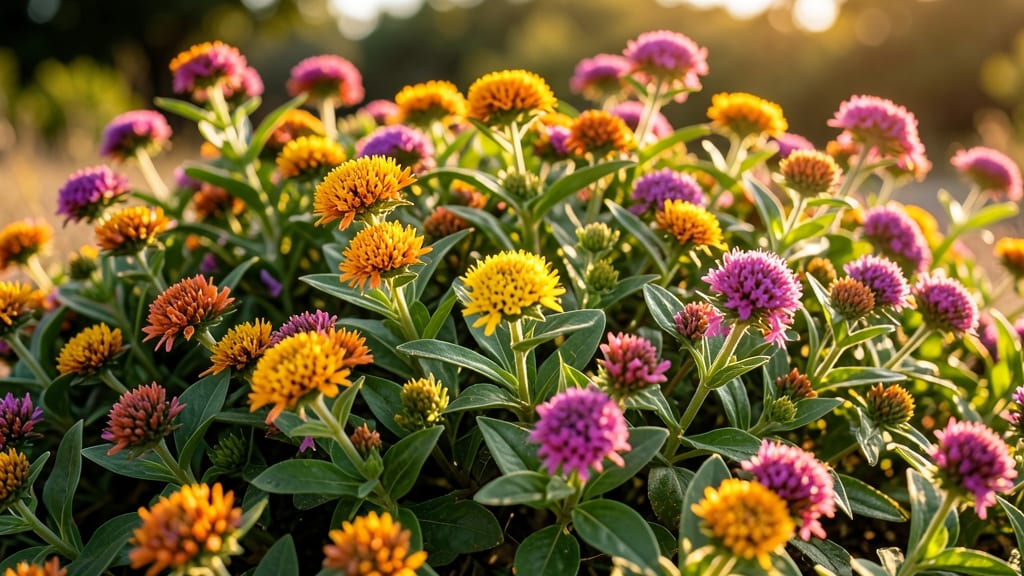
If you crave a year-round splash of color that thrives in Texas’s scorching summers, lantana (Lantana camara) is your secret weapon. This heat-loving shrub produces dense clusters of tiny flowers in vibrant hues—yellow, pink, orange, and even purple—all while repelling pests naturally with its strong fragrance.
Lantana thrives in full sun and tolerates poor, dry soil, making it perfect for container gardens or sunny patios. Prune lightly after blooming to encourage more flowers, but avoid heavy cuts, as it blooms on new growth. The plant’s drought-resistant nature means less watering, and its continuous blooming ensures your garden stays lively without deadheading.
Urban gardeners and patio plant lovers will adore lantana’s low-maintenance charm—it’s the ultimate no-fuss, high-impact flower for Texas’s climate. 🌻
Plumbago (Plumbago auriculata)
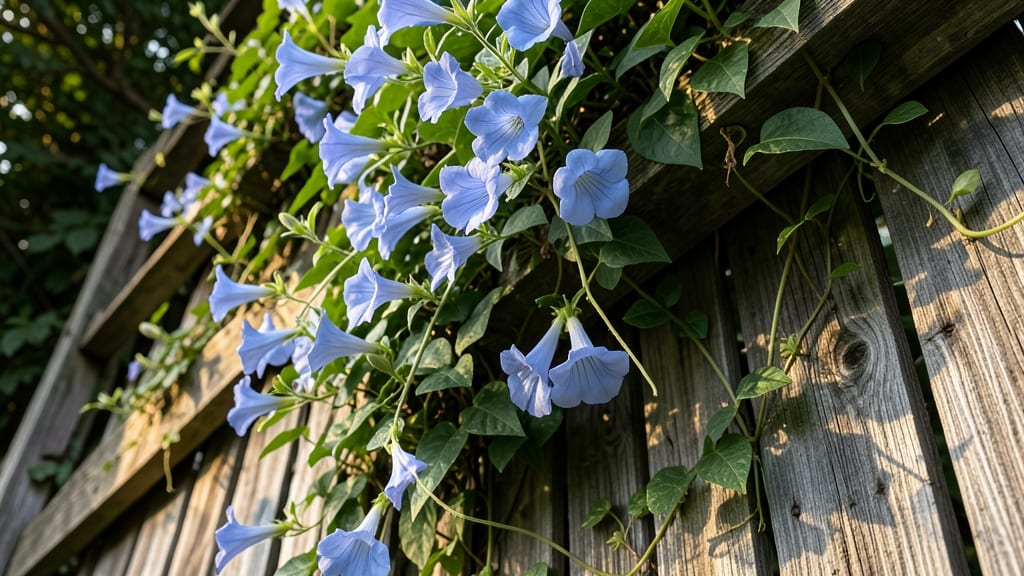
If your garden lacks vertical drama or you struggle with shade spots, plumbago is the answer. This drought-tolerant climber produces sky-blue trumpet-shaped flowers that cascade beautifully over trellises, pergolas, or even old fences, transforming blank walls into living art.
Thriving in partial shade, plumbago handles Texas’s heat and humidity with ease, making it ideal for east- or west-facing walls. Prune lightly after winter to encourage bushier growth, and enjoy year-round blooms with minimal effort. Its delicate flowers also attract butterflies, adding extra life to your garden.
Perfect for urban gardeners with limited space or those wanting to soften harsh architectural lines, plumbago brings effortless elegance to any setting. 🌿
Portulaca (Portulaca grandiflora)
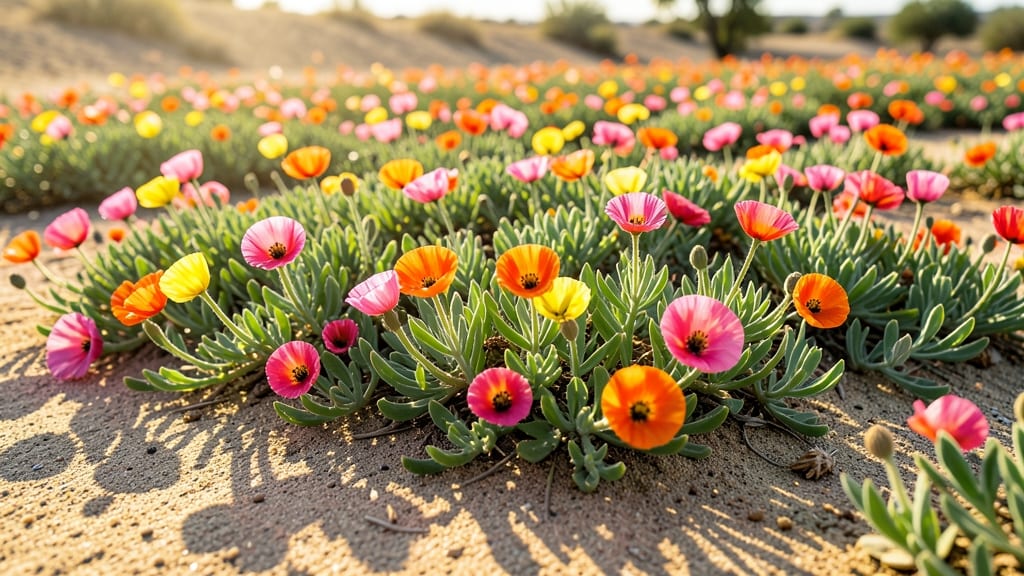
Looking for a zero-maintenance ground cover that thrives in sandy soil and full sun? Portulaca grandiflora, or moss rose, delivers poppy-like blooms in vibrant pinks, yellows, and oranges that stay bright all year in Texas’s heat. This succulent-like plant spreads effortlessly, making it perfect for rock gardens or containers where other plants would struggle.
Unlike fussy annuals, portulaca requires no deadheading or special care—just well-draining soil and 6+ hours of sun daily. Its thick, fleshy leaves store water, so it’s drought-tolerant once established. For best results, plant seeds directly in spring after frost, spacing them 6–12 inches apart. The flowers even close at night and reopen in the morning, adding a whimsical touch to your garden.
This is the ideal choice for rock gardeners, desert landscapes, or anyone who wants colorful, low-water plants that multiply without effort. 🌻
Turk’s Cap (Malvaviscus arboreus)
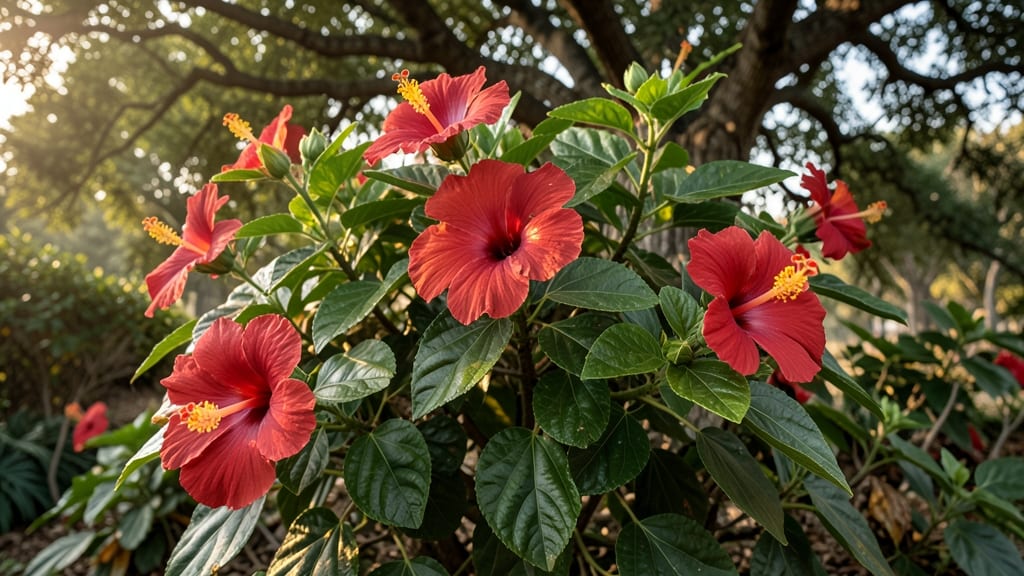
If you’ve ever wished for a hibiscus-like flower that thrives in shade instead of scorching sun, Turk’s Cap (Malvaviscus arboreus) is your answer. This native Texas beauty delivers bold red blooms with yellow centers year-round, even in the deepest shade, making it a standout for humid summers and pollinator gardens.
Unlike sun-loving flowers, Turk’s Cap flourishes in partial to full shade and tolerates high humidity—perfect for East Texas or shaded patios. Its tubular flowers attract hummingbirds and butterflies, while its glossy green leaves add lush texture. Prune lightly after blooming to encourage bushier growth, but otherwise, it’s nearly maintenance-free.
This is the ideal choice for gardeners who want continuous color without deadheading and love supporting local wildlife. Plant it near seating areas or under trees for a dramatic, low-effort focal point. 🌻
Zinnia (Zinnia elegans)
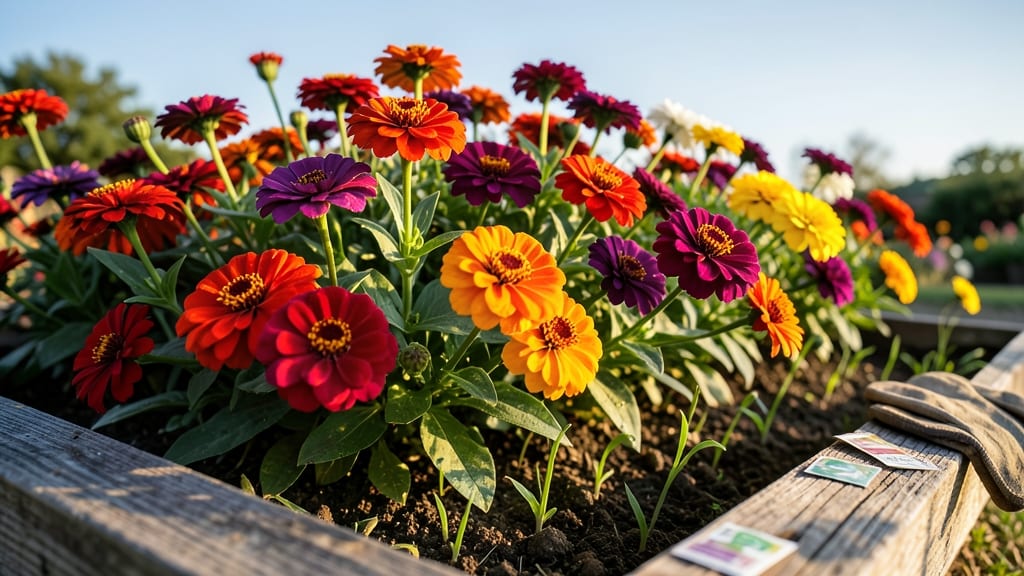
Want a flower that practically grows itself while delivering bold, cheerful color? Zinnias are the answer—these sun-loving annuals produce high-contrast blooms in every hue and self-seed so prolifically you’ll have new plants popping up year after year without any effort.
Plant seeds directly in full sun after the last frost, and watch them thrive in well-drained soil. The real magic? You can skip deadheading entirely—zinnias keep blooming until frost, and their spent flowers add rustic charm to your garden. Choose varieties like 'Benary’s Giant' for dinnerplate-sized blooms or 'Thumbelina' for compact, container-friendly plants.
Perfect for beginners or busy gardeners, zinnias bring instant color while attracting pollinators like butterflies and bees. They’re also deer-resistant, making them a low-stress choice for Texas landscapes. 🌻
Mexican Heather (Cuphea hyssopifolia)
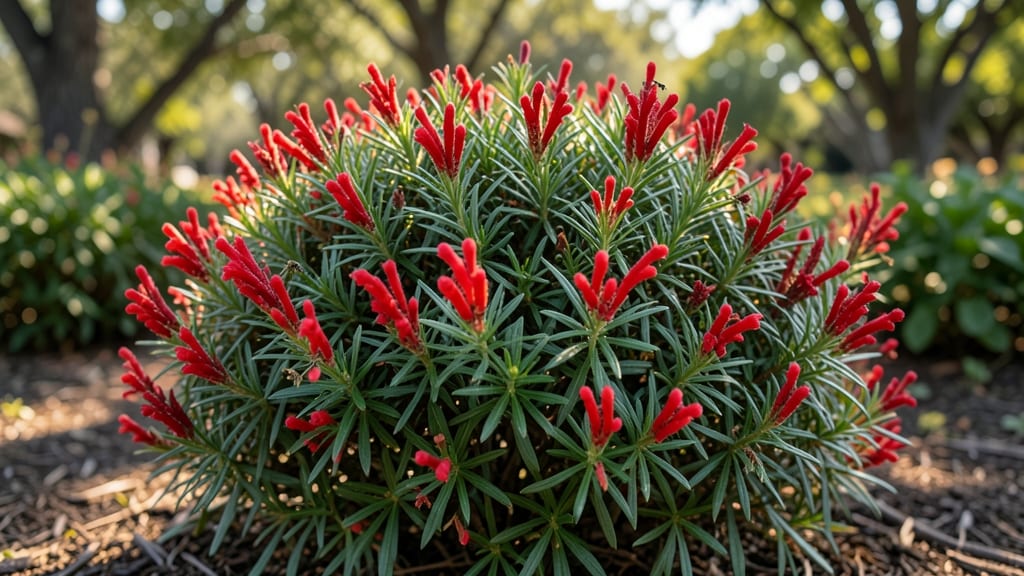
If you love a garden that buzzes with activity but want something delicate and compact, Mexican heather (Cuphea hyssopifolia) delivers tiny, fiery red blooms that pack a punch. Unlike its larger cousins, this plant thrives in humid Texas summers while attracting bees, butterflies, and hummingbirds with its nectar-rich flowers.
This heat-lover handles full sun to partial shade and tolerates poor soil, making it ideal for borders, containers, or pollinator gardens. Shear lightly after blooming to encourage bushier growth, but otherwise, it blooms continuously with almost no care. The prolific flowers create a soft, velvety red carpet that contrasts beautifully with silver foliage or other bold blooms.
Perfect for small spaces, urban gardens, or pollinator-friendly landscapes, Mexican heather brings year-round color without the fuss of deadheading. 🌷
Blackfoot Daisy (Melampodium leucanthum)

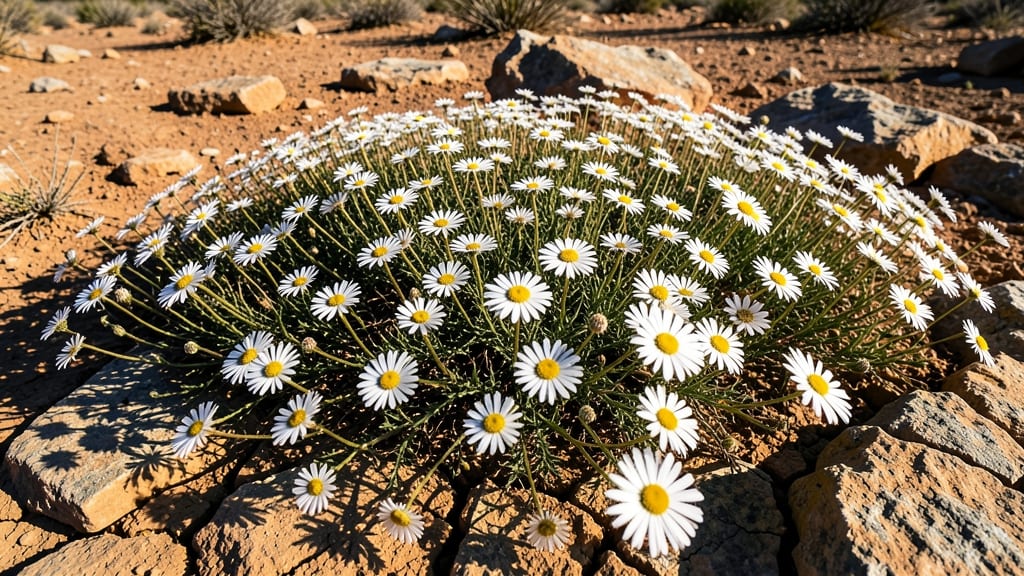
If you’re tired of flowers that demand perfect soil or constant deadheading, the Blackfoot Daisy (Melampodium leucanthum) is your answer. This cheerful native wildflower thrives in poor, rocky soil and full sun, spreading effortlessly to create a sea of white daisy-like blooms with bright yellow centers—no fuss required.
Unlike fussy annuals, Blackfoot Daisy blooms continuously from spring through fall (and sometimes winter) without needing deadheading. It’s drought-tolerant once established, making it perfect for neglected corners of your yard or wildflower meadows. Plant seeds in fall or early spring for best results, and watch it self-seed into a lush, low-maintenance ground cover.
Ideal for beginner gardeners, pollinator lovers, and native plant enthusiasts, this hardy beauty adds texture and color to any sunny landscape with almost no effort. 🌱