
Blooming
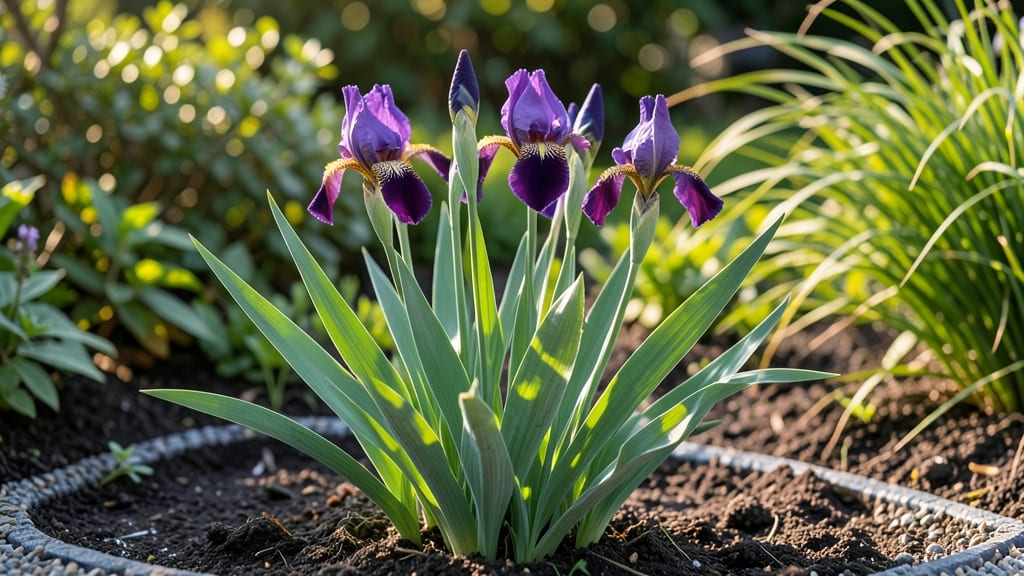
Iris blooms in Zone 6 typically arrive between late April and early June 🌸, turning your garden into a riot of color just in time for spring’s grand finale.
If you’re eagerly waiting for those stunning iris blooms in Zone 6, timing is everything—miss the window, and you might be left staring at empty stems. But with the right knowledge, you can predict iris flowering months in advance and plan your garden accordingly.
What you might not realize is that even within Zone 6, microclimates can shift bloom times by weeks—cooler areas like the Appalachians may see flowers a little later, while warmer pockets near cities could push them earlier.
Below, I’ll break down the exact months to expect blooms, how sunlight and soil affect timing, and simple care tricks to ensure your irises put on their best show year after year.
Zone 6 iris bloom timeline: exact months for spring and summer flowering
If you’ve ever planted irises in Zone 6 and wondered, "When will those beautiful blooms finally appear?", you’re not alone. The timing of iris flowers depends on variety, climate, and care, but with the right expectations, you can plan your garden like a pro.
Most irises bloom in late spring to early summer, but some early or late varieties may surprise you.
In Zone 6, where last frost dates typically fall around May 15, irises begin their bloom cycle after the soil warms and daylight increases. This usually means May through June for standard varieties, but cooler microclimates or early bloomers might start as early as late April.
Understanding these variations helps you anticipate when to expect those iconic iris petals to unfurl.
Here’s the key: Early bloomers like Iris reticulata might appear in April, while bearded irises (the most common type) typically peak in May and June. Late-season varieties, such as Iris germanica, can extend blooms into early July.
Climate fluctuations—like a cold April or early heatwave—can shift these timelines by 1-2 weeks.
For gardeners in Zone 6a (colder microclimates), expect blooms to arrive 1-2 weeks later than in Zone 6b. For example, if your area had a late frost in April, your bearded irises might not bloom until late May.
Conversely, if winter was mild, you could see early blooms as soon as mid-April.
Pay attention to your iris rhizomes in early spring—they should be firm and sending up fan-like leaves by March or April. If you notice no growth by early April, it might signal dormancy delays due to cold soil.
In this case, avoid fertilizing until you see new leaves, as this can stress the plant.
One pro tip: If you want to extend your iris season, plant a mix of early, mid, and late bloomers. For instance, pair Iris reticulata (April) with Iris germanica (June) to enjoy color from April through July. This staggered approach ensures your garden never looks bare.
Climate variations in Zone 6 can also affect bloom quality. Drought stress in late spring may cause buds to abort before opening, while excessive rain can lead to fungal issues like iris borers.
To mitigate these risks, ensure your irises have well-draining soil and 6+ hours of sunlight daily.
Finally, remember that first-year irises often bloom sparingly or not at all. They prioritize rhizome establishment over flowers. By year two, however, you’ll see a full display if you’ve provided the right care and conditions. Patience pays off with vibrant, long-lasting blooms!
With this timeline in mind, you can now plan your garden around iris blooms, knowing exactly when to expect those show-stopping petals to make their grand entrance. Happy gardening! 🌸
How to extend iris blooming season in Zone 6: proven tips for longer flowers
Want your irises to bloom longer in Zone 6? The secret lies in strategic care that mimics their natural growth patterns. By adjusting soil conditions, watering schedules, and fertilization timing, you can coax earlier or later blooms—sometimes by 3-4 weeks!
Start with well-draining soil and full sun exposure to set the stage for vibrant, extended displays.
Many gardeners miss the opportunity to prolong iris blooms because they focus only on spring planting. But with a few tweaks—like fall fertilization or selective pruning—you can shift bloom times to match your garden’s needs.
For example, early spring feeding with a balanced fertilizer (like 5-10-10) jumpstarts growth, while late summer watering adjustments can delay dormancy.
🌸 5 Proven Strategies to Extend Iris Blooms
- 🌱 1. Soil Prep: Amend clay-heavy soil with compost or sand to improve drainage—critical for rhizome health.
- 💧 2. Watering: Deep-water once weekly in spring/summer, then taper to bi-weekly in fall to encourage late blooms.
- ✂️ 3. Pruning: Remove spent blooms but leave seed pods for 4-6 weeks to feed rhizomes.
- 🌿 4. Fertilizer: Apply a low-nitrogen fertilizer (like 2-10-10) in early spring and late summer for delayed blooms.
- ☀️ 5. Sunlight: Ensure 6+ hours of direct sun daily—partial shade can shorten bloom windows by 2+ weeks.
For earlier blooms, plant bearded iris rhizomes in late summer (August-September) instead of fall. This gives roots time to establish before winter, so they burst into flowers 2-3 weeks sooner the following spring.
Pair this with a light spring mulch (1-2 inches of straw) to retain moisture without suffocating rhizomes.
If you’re aiming for later summer blooms, focus on water management. Reduce watering in late June to stress rhizomes slightly—this triggers a second flush of blooms in August.
Just be cautious: over-stressing can weaken plants for the following year. Test your soil’s pH (6.0-7.0 ideal) and adjust with lime or sulfur if needed.
Don’t forget to divide and replant every 3-4 years to prevent overcrowding. Overgrown clumps produce fewer blooms, so split rhizomes in late summer and replant with the top half exposed. This refreshes energy reserves, often resulting in larger, more abundant blooms the next season.
With these adjustments, your irises can bloom from late May through July—or even into early August—turning your garden into a continuous splash of color. The key is consistency: monitor soil moisture, feed at the right times, and protect rhizomes from extreme temperatures. Happy gardening! 🌷