
Blooming
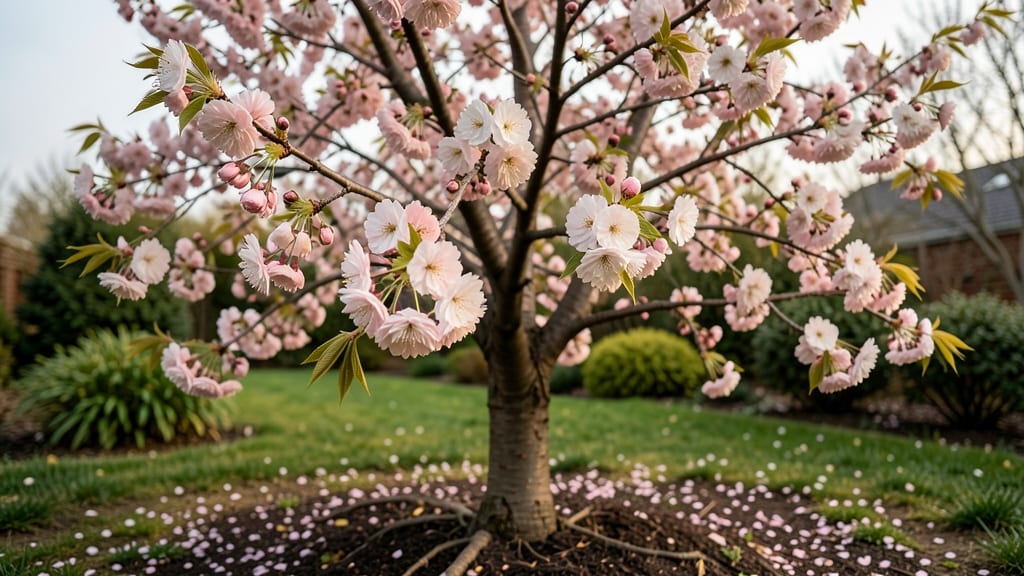
The cherry blossom bloom time varies wildly by location, but knowing your zone’s average can save you from empty-handed spring trips to the park.
Picture this: You’ve waited all winter for the pink-and-white explosion of 🌸 cherry blossoms, only to arrive at the park and find the trees half-bare or already shedding petals. Timing is everything, and a single degree of warmth (or cold) can shift the bloom window by a full week.
From the Pacific Northwest’s early blooms in late March to the Mid-Atlantic’s peak in early April, climate zones dictate when your local trees will burst into color.
I’ll break down the science behind it—including how to adjust for your specific hardiness zone—and share pro tips to predict blooms like a meteorologist.
You’ll leave here with a personalized bloom calculator, a list of early- and late-blooming cultivars, and even backup plans for when Mother Nature throws a curveball. Let’s get started.
How climate zones determine cherry blossom bloom time by region
Cherry blossoms (Prunus serrulata) are one of nature’s most stunning spring spectacles—but their bloom time varies wildly across the U.S. based on USDA hardiness zones. A tree in Zone 6 (like Chicago) might bloom weeks earlier than one in Zone 9 (like Los Angeles).
Understanding these differences helps you plan visits, photography trips, or even plant the right varieties for your area.
Bloom timing hinges on chilling hours (cold winter exposure) and warmth triggers (spring temperatures). Most cherry blossoms need 500–1,000 chilling hours below 45°F (7°C) to set buds. Once temperatures consistently hit 50–60°F (10–15°C), buds swell and bloom.
Warmer winters or early springs can advance blooms by weeks, while late frosts may delay or damage flowers.
Regional averages show dramatic shifts: The Pacific Northwest (Zones 7–9) often blooms in late March to early April, while the Mid-Atlantic (Zones 6–7) peaks in mid-April. Southern states like Florida (Zone 10) may see sporadic blooms in January–February, but these trees are less cold-hardy.
Let’s break down the specifics by zone to help you predict your local cherry blossom window.
| USDA Zone | Region | Early Bloom | Peak Bloom | Late Bloom | Temp Trigger |
|---|---|---|---|---|---|
| 3–5 | Northern Plains (ND, MN) | Mid-May | Late May | Early June | 55°F+ for 7+ days |
| 6–7 | Mid-Atlantic (DC, NYC) | Late March | Mid-April | Early May | 50°F+ for 10+ days |
| 7–8 | Pacific Northwest (WA, OR) | Early April | Late April | Mid-May | 48°F+ for 14+ days |
| 9–10 | Southern CA, FL | January–February | February–March | Late March | 52°F+ for 5+ days |
| 11 | Hawaii, Puerto Rico | November–December | December–January | February | 60°F+ for 3+ days |
Bloom windows shift 1–2 weeks annually due to weather variability.
Notice how cooler zones (3–5) bloom later because they need more chilling hours to break dormancy? Conversely, warmer zones (9–11) can bloom in winter, but these trees often lack cold hardiness.
For example, a Yoshino cherry in Zone 6 might bloom in early April, while a Kwanzan cherry in Zone 8 could start in late March.
Temperature fluctuations play a critical role. A sudden cold snap after buds form can cause bud blast, where flowers drop prematurely. Conversely, an unseasonably warm spell in late winter may trigger early blooms—only for a late frost to damage them.
This is why urban heat islands (like NYC or LA) often see blooms 5–7 days earlier than rural areas just 20 miles away.
If you’re planning a cherry blossom pilgrimage, check local NOAA frost data and historical bloom records from parks like Washington D.C.’s Tidal Basin (Zone 8) or Seattle’s Cherry Blossom Festival (Zone 8).
These locations track blooms annually and adjust expectations based on winter severity. For instance, the 2021 D.C. bloom was 10 days early due to a mild winter.
Pro tip: Plant early-blooming varieties (like ‘Amanogawa’) in colder zones or late-blooming varieties (like ‘Shirofugen’) in warmer zones to extend your viewing window. Even a 1–2 week difference can mean the difference between perfect pink petals and bare branches.
For gardeners, selecting the right cherry blossom cultivar based on your zone ensures reliable blooms. For example, ‘Kwanzan’ thrives in Zones 5–8, while ‘Shidare-Zakura’ prefers Zones 6–9. Always verify a tree’s chilling requirement before planting
5 Pro tips to predict your local bloom time like a pro
Predicting cherry blossom bloom time isn’t just guesswork—it’s a science. By combining climate data, local varieties, and citizen science, you can nail the exact week your trees will burst into color.
Start with the NOAA frost calendar for your area, as blooms typically begin 2-4 weeks after the last hard frost. For example, in USDA Zone 7, this often lands in early April, while Zone 5 may see blooms in late April or May.
Next, identify the cherry tree varieties in your region. Yoshino cherry blossoms (Prunus × yedoensis) are the classic early bloomers, often opening 1-2 weeks before Kwanzan cherry blossoms (Prunus serrulata 'Kwanzan'). Urban areas with heat islands can experience blooms 3-5 days earlier than rural spots, so adjust your timeline accordingly.
For instance, Washington, DC’s Tidal Basin blooms may arrive 4 days sooner than nearby suburbs.
Here’s how to turn data into action with my top 5 pro tips:
Check the last spring frost date for your USDA zone. Blooms typically start 2-4 weeks post-frost. For Zone 6, this is often late March to early April.
Yoshino cherries bloom earlier than Kwanzan. Research your area’s dominant species—urban parks often feature Yoshino, while private gardens may have later-blooming cultivars.
Apps like Project BudBurst let you log bloom dates. Compare your observations with 10+ years of data to spot trends in your microclimate.
Cities bloom 3-5 days earlier due to heat island effect. If you’re in a downtown area, subtract 3 days from rural bloom estimates.
Use weather apps with bloom-tracking features (e.g., Weather.com’s cherry blossom forecast) to get real-time updates as temperatures rise.
For photographers, timing is critical. Aim to capture blooms at 50% open for the most dramatic shots. Use the Project BudBurst app to track bud development in real time—when buds swell to pea size, blooms are typically 7-10 days away.
If you’re planting new trees, choose early-blooming varieties like 'Amanogawa' for a longer viewing window.
Remember, weather anomalies can shift bloom times by weeks. Always have a backup plan—visit nearby parks or check local nurseries for updates. With these tips, you’ll never miss the magical pink spectacle again. 🌸