
Blooming
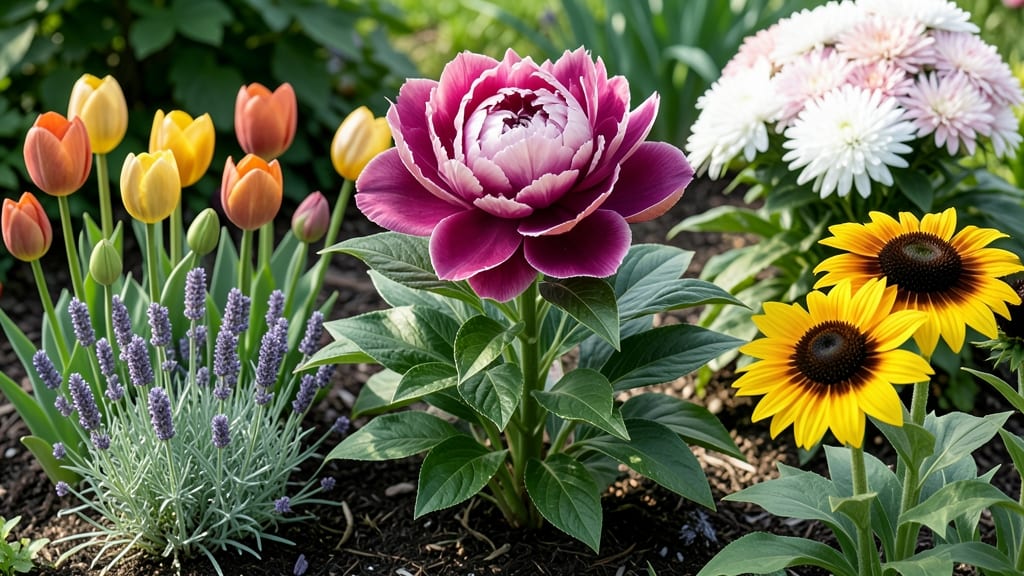
What's in bloom now varies by region, with cool areas seeing crocuses and daffodils emerge by February, while warmer climates already showcase camellias and azaleas. Summer highlights include vibrant roses, hydrangeas, and sunflowers, while fall gardens burst with chrysanthemums and goldenrods.
Your garden's color palette shifts dramatically with the seasons, and understanding these patterns helps you plan for year-round beauty. 🌸 In cooler northern regions, early spring brings hardy perennials like crocuses and daffodils that thrive in chilly temperatures, while southern gardens often kick off the year with camellias and azaleas that love humidity.
The key difference lies in temperature triggers—some plants need consistent warmth to bloom, while others respond to specific daylight hours. This seasonal rhythm explains why your neighbor's yard might look completely different from yours, even if you're just a few miles apart.
For practical gardening, timing is everything. Pairing early bloomers like tulips with mid-season favorites such as peonies creates continuous color, while strategic companion planting can attract pollinators throughout the growing season. 🐝 For example, planting sunflowers alongside roses not only extends your bloom time but also naturally repels pests.
Many gardeners adjust their planting schedules based on local bloom forecasts, using bulbs and perennials to stretch seasonal interest. The USDA Hardiness Zones provide a helpful starting point, but microclimates—like urban heat islands or protected garden nooks—can shift bloom times by weeks.
💡 In This Article
- Seasonal Bloom Cycles Explained by Climate Zone
- How to Plan Your Garden Around Current Blooms
Seasonal bloom cycles explained by climate Zone
The timing of blooms is primarily controlled by two factors: temperature and daylight hours, which vary dramatically across USDA Hardiness Zones.
For example, in Zone 3 (think Minnesota or northern New England), crocuses and hellebores emerge as early as late January because they require 60-90 days of chilling temperatures below 40°F to break dormancy.
Meanwhile, in Zone 9 (Southern California or Florida), camellias and azaleas bloom in January because they thrive in consistent 60-75°F temperatures and need no cold period to trigger flowering. 🌸
Daylight hours also play a critical role. Short-day plants like chrysanthemums and poinsettias bloom when daylight drops below 12 hours, which happens in fall across most regions. Conversely, long-day plants like peonies and delphiniums need 14+ hours of daylight to flower, explaining why they peak in summer.
The Pacific Northwest's mild winters create unique microclimates where plants like rhododendrons bloom earlier than in hotter inland areas due to cooler nighttime temperatures and higher humidity.
Regional microclimates can shift bloom times by 2-4 weeks. For instance, urban heat islands in cities like Phoenix (Zone 9b) can make desert marigolds bloom 3-4 weeks earlier than in surrounding rural areas.
Coastal regions, like the San Francisco Bay Area, often see later spring blooms because of cooler ocean breezes delaying soil warming. The key takeaway? Your garden's bloom schedule depends on both your hardiness zone and local conditions like elevation, wind patterns, and proximity to water bodies.
Let's compare signature blooms by zone to illustrate these differences:
- Zones 3-5 (Cold Winters): Crocuses (January), daffodils (March), peonies (June), chrysanthemums (October). These plants rely on cold stratification to trigger spring blooms.
- Zones 6-8 (Moderate Climates): Azaleas (March), roses (June-August), hydrangeas (July-September), goldenrods (September). These thrive with distinct seasonal temperature shifts.
- Zones 9-11 (Warm Winters): Camellias (January-February), bougainvillea (year-round in frost-free areas), sunflowers (summer-fall). These plants bloom when temperatures stabilize above 50°F.
Understanding these patterns helps you select plants that align with your local climate. For example, if you're in Zone 7 but experience cooler microclimates, you might successfully grow Zone 6 plants like bleeding hearts that would otherwise struggle in hotter areas.
The science behind bloom timing reveals why your garden's color palette changes so dramatically with the seasons—and how to work with nature rather than against it. 🌿