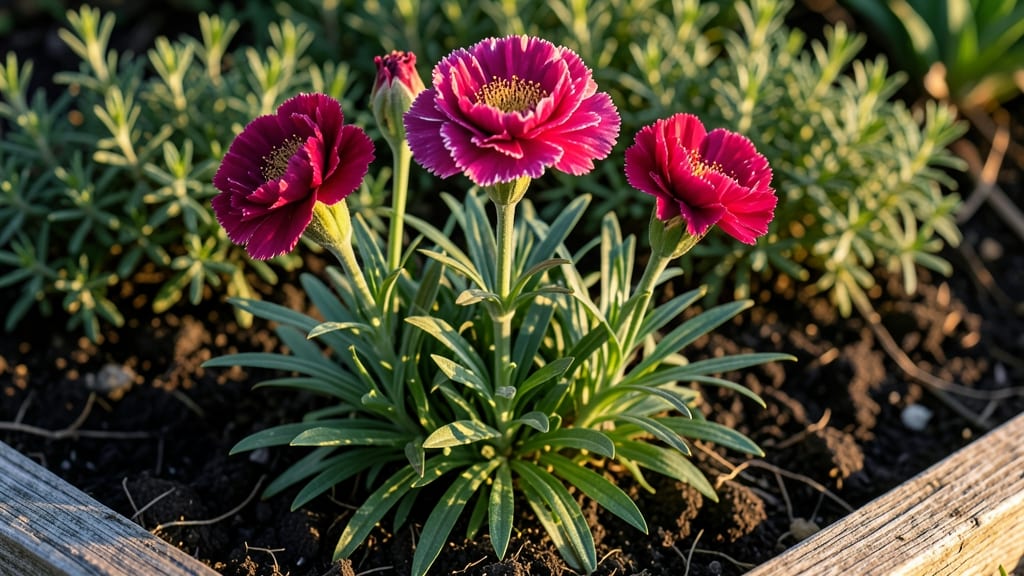
Carnations bloom in 60 to 90 days after planting, but the timing can feel like a guessing game if you don’t know the tricks. Want carnations blooming faster and returning with vibrant colors all season? The secret lies…
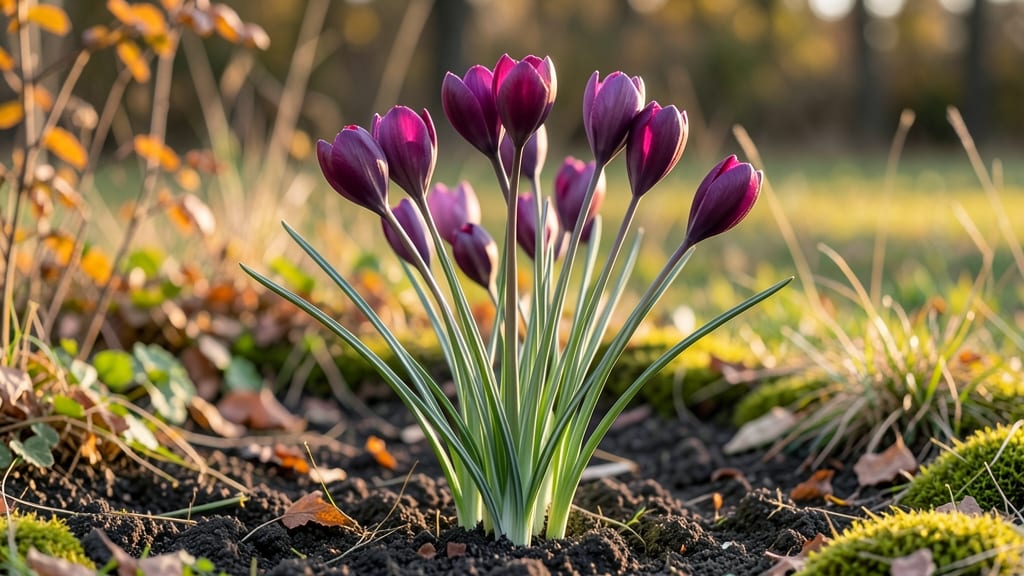
If you're craving crocus that bloom in the fall , you're not alone—many gardeners long for a splash of color and scent to bridge the gap between summer's end and winter's chill. 🔍 The challenge? Most crocus varieties…
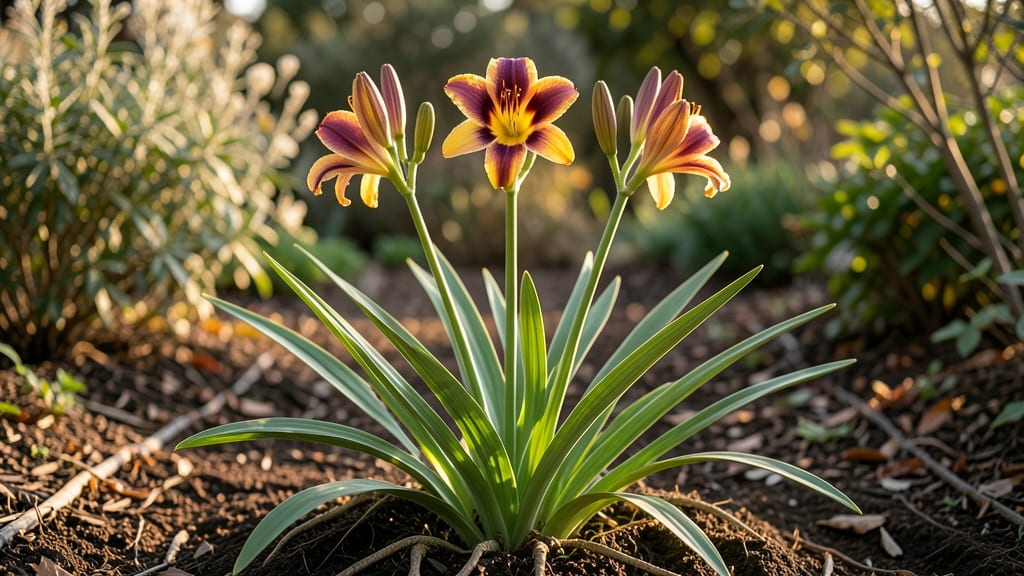
Daylilies bloom for weeks during their vibrant period, transforming your garden into a splash of color from late spring through early fall. But here’s the catch: that bloom period isn’t set in stone—it shifts based on…
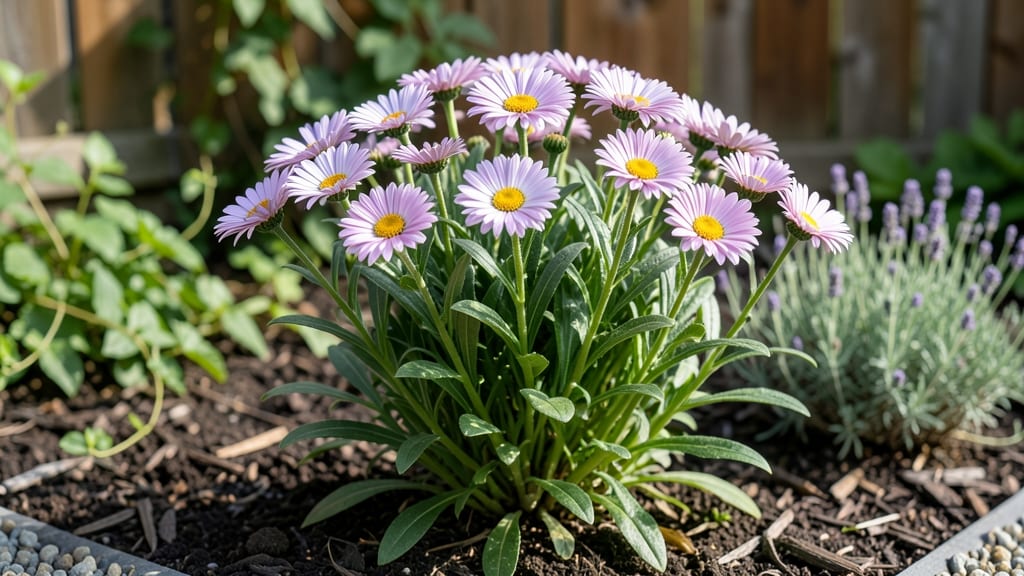
💥 Quick Answer African daisies bloom all summer when given consistent care, thriving through heat until late summer or early fall. However, heat-sensitive varieties like 'Blue Horizon' or 'Pink Petticoat' may wilt…
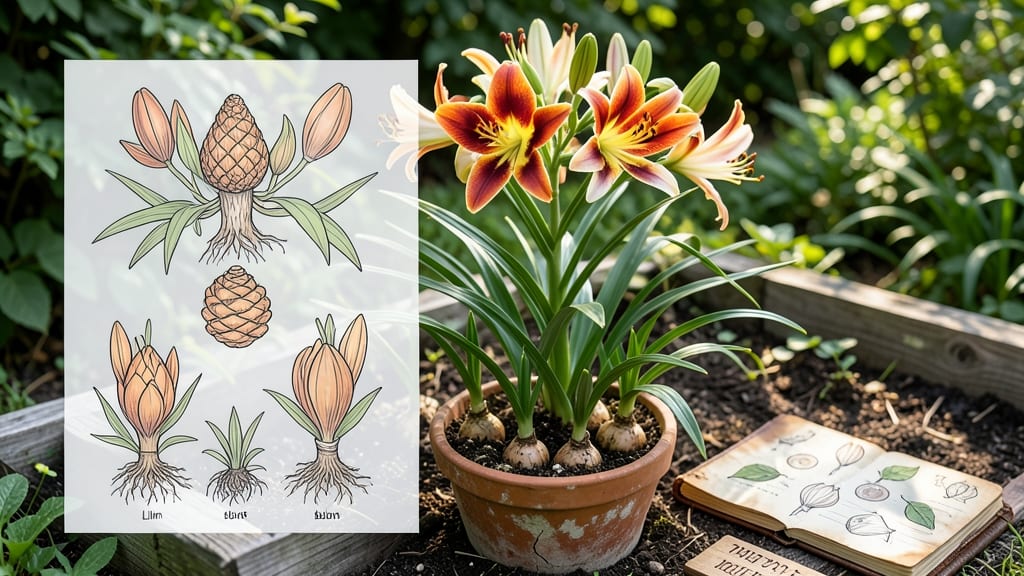
💥 Quick Answer Asiatic lilies do not typically bloom more than once per season, as they produce their vibrant flowers in early summer before entering dormancy. However, certain varieties and ideal growing…
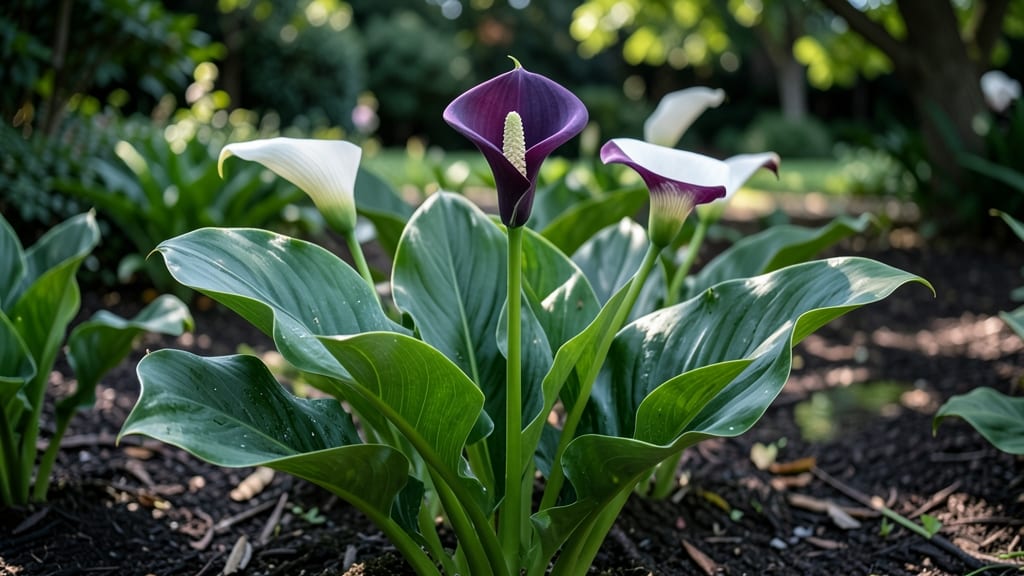
💥 Quick Answer Calla lilies don't bloom all summer continuously—most varieties produce just one main bloom cycle during spring or summer, though heat-tolerant types like Zantedeschia aethiopica may occasionally rebloom…
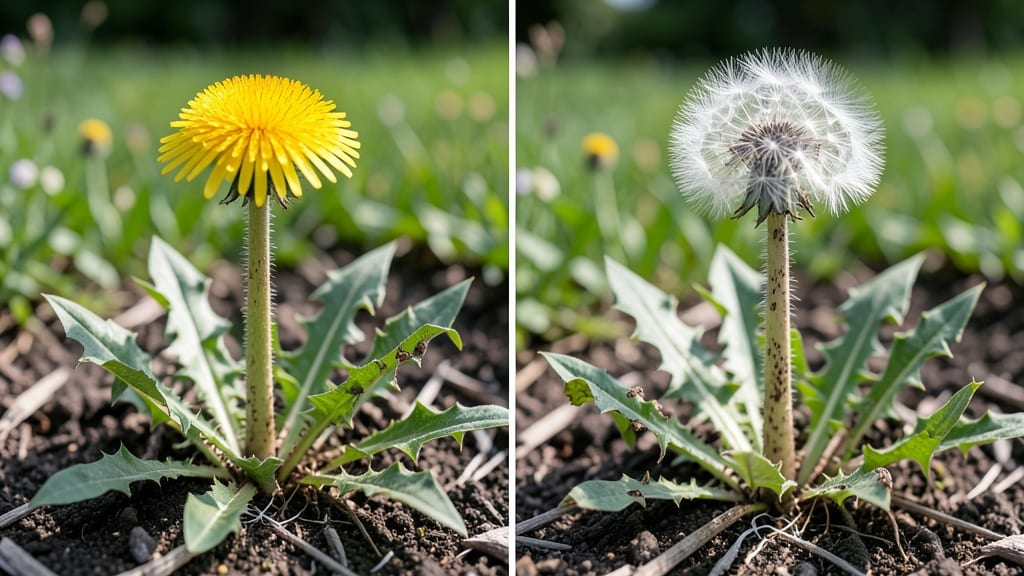
💥 Quick Answer Dandelions don't bloom all summer continuously—they flower heavily in early spring, then sporadically through summer based on heat and daylight cycles, pause with frost, and may rebloom when conditions…
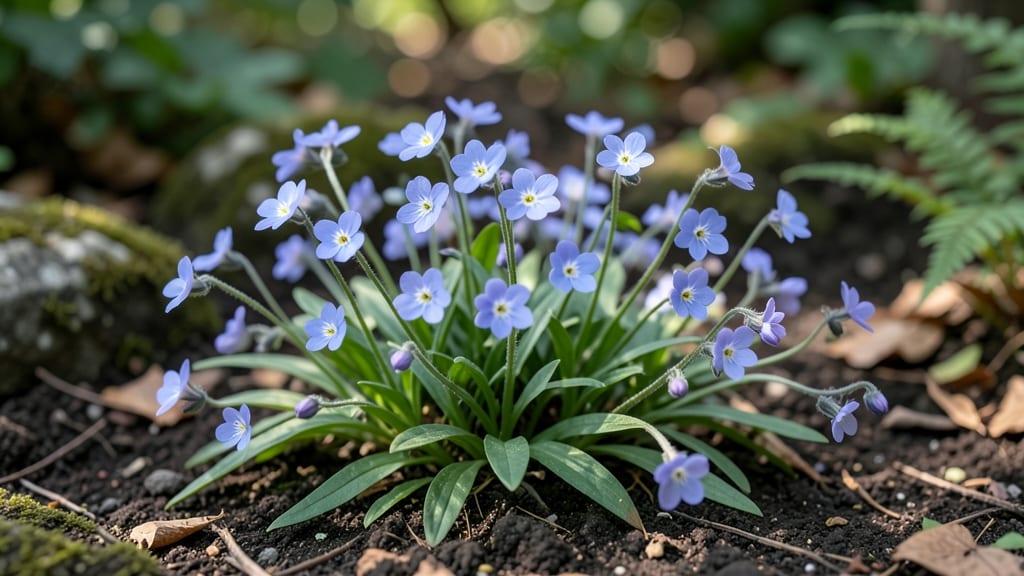
💥 Quick Answer Forget-me-nots typically bloom all summer only in perfect conditions, but most varieties are cool-season annuals that flower primarily in spring through early summer. Hardy types like Myosotis sylvatica…
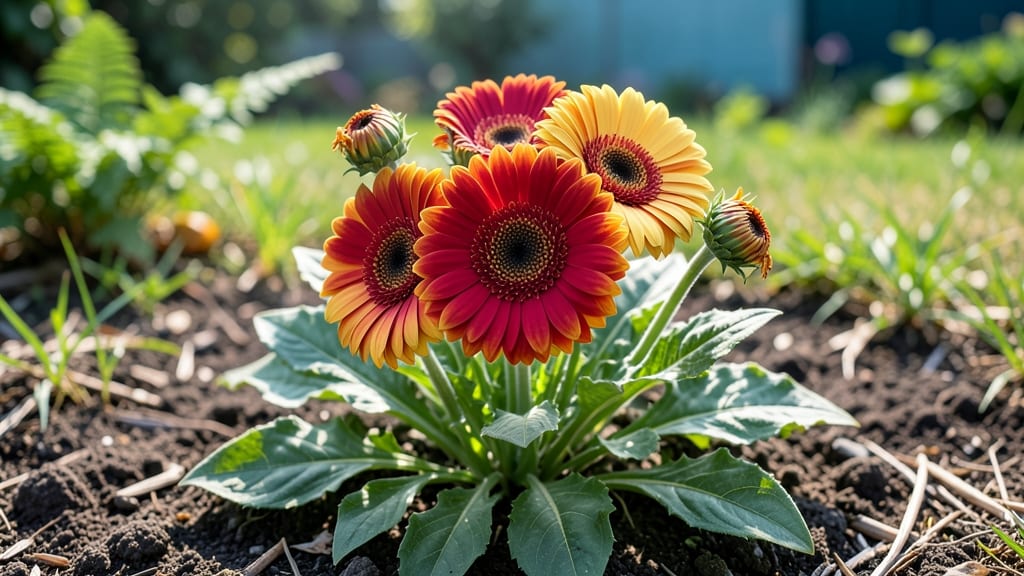
💥 Quick Answer Gerber daisies bloom all summer long when given the right conditions—full sun exposure, well-drained soil, and consistent deadheading. Many varieties even push through frost to rebloom in fall, with…
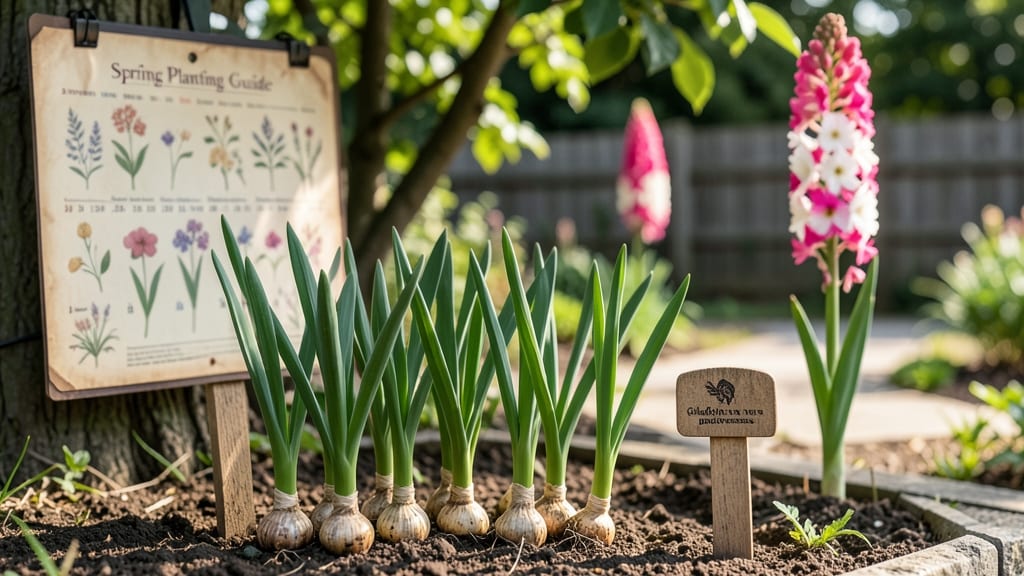
💥 Quick Answer Gladiolus planted in spring or summer won't bloom the first year—they prioritize building strong corms and roots, with flowering typically occurring in their second or third year under ideal growing…
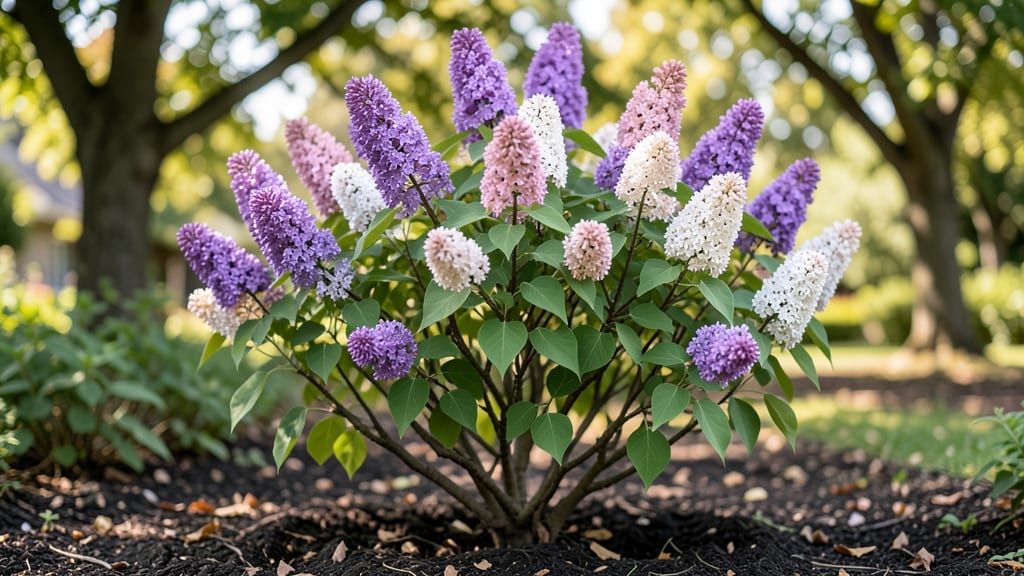
💥 Quick Answer Yes, lilacs bloom on old wood, which means their flowers develop on previous season's growth rather than fresh new shoots. Pruning right after blooming helps produce stronger flowers next year by…
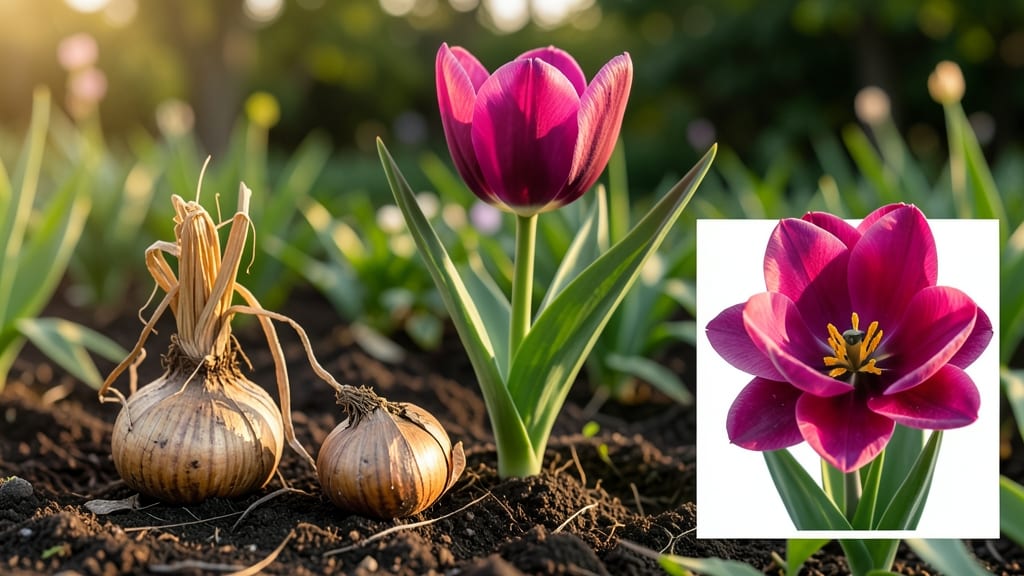
💥 Quick Answer Tulips typically bloom only once per season because their energy reserves are depleted after flowering, though some varieties can rebloom under ideal conditions like consistent care and proper…
I’ve always had a soft spot for the quiet magic of plants—how they turn sunlight into life, how a single seed can become something so much bigger.
My grandmother’s garden in rural Ohio taught me that growing things isn’t just about the end result; it’s about the patience, the curiosity, and the little surprises along the way.
Soil Bloom is where I share the lessons I’ve learned, the mistakes I’ve made (and the ones I hope you can avoid), and the joy of watching something green thrive under your hands.